Last updated November 22, 2026
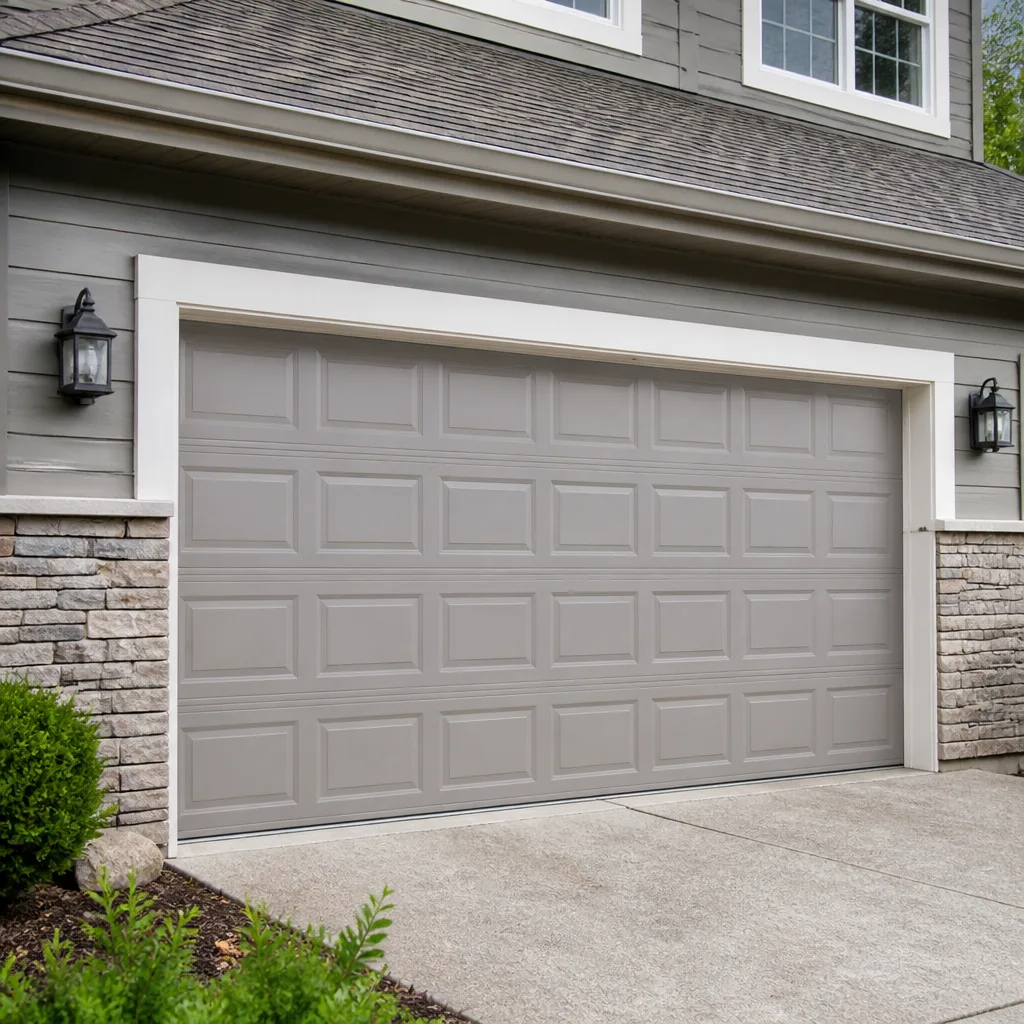 Raised-panel steel
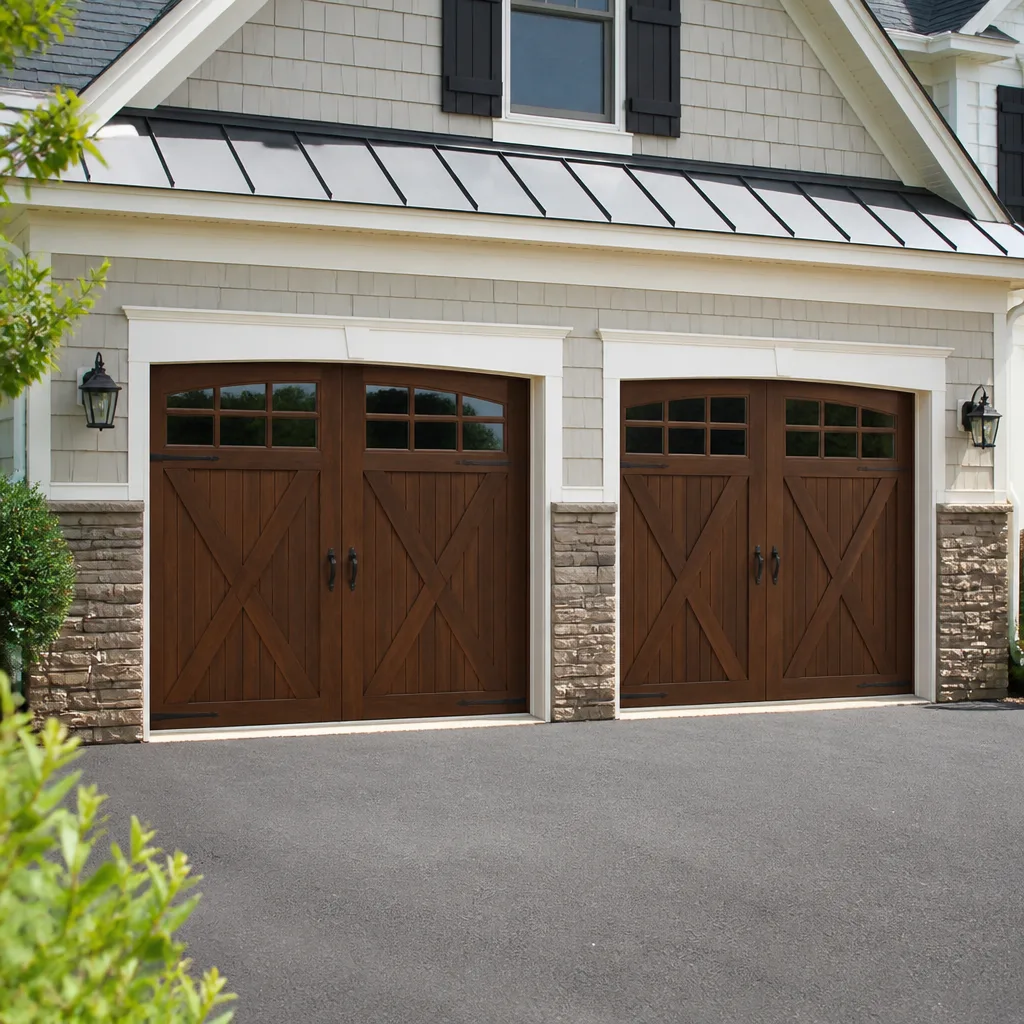 Carriage house
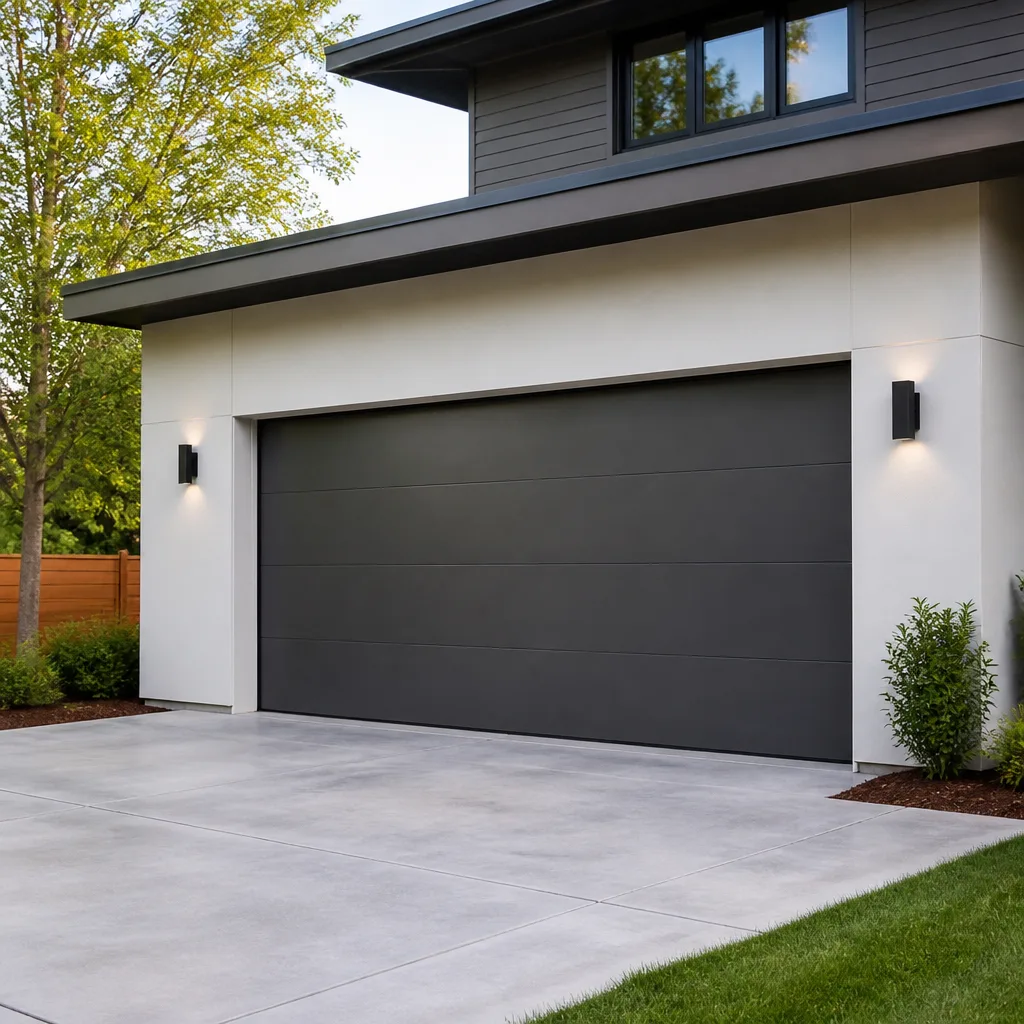 Modern flush
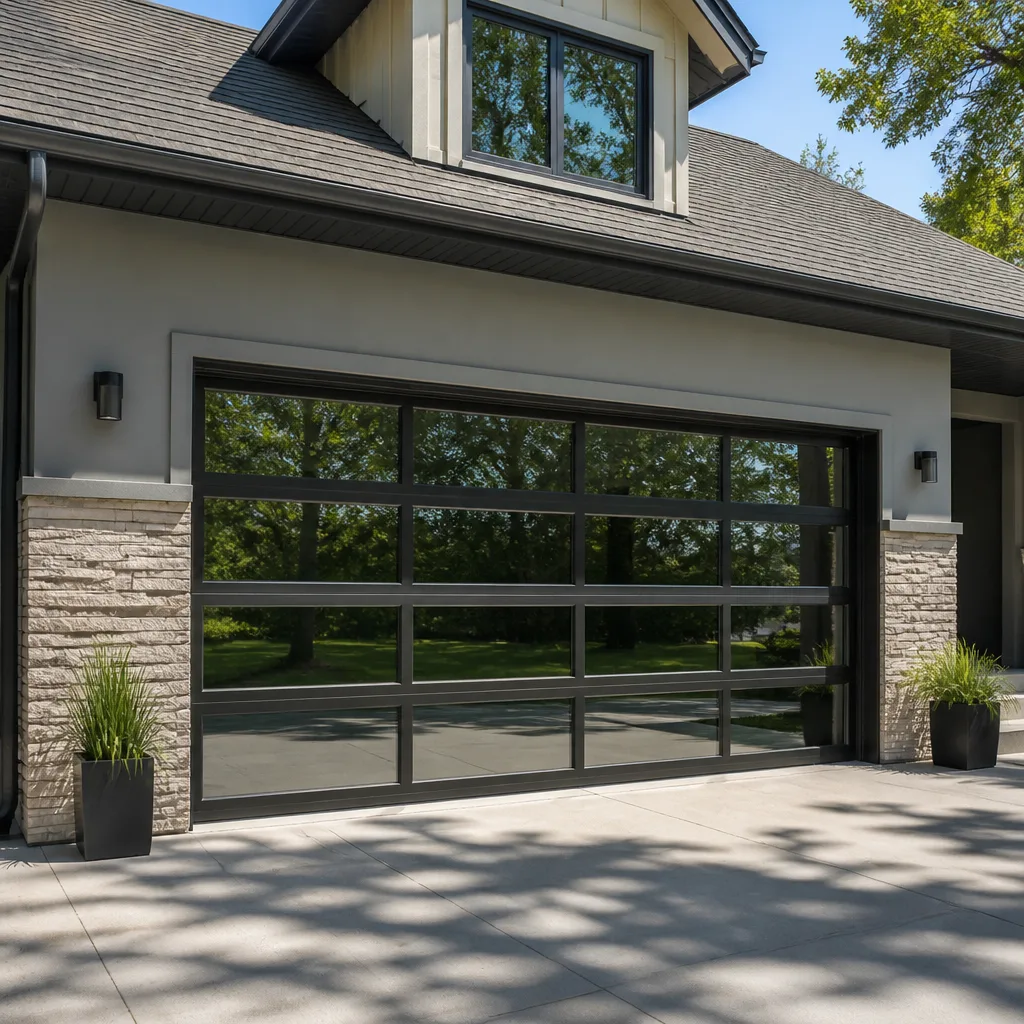 Full-view glass
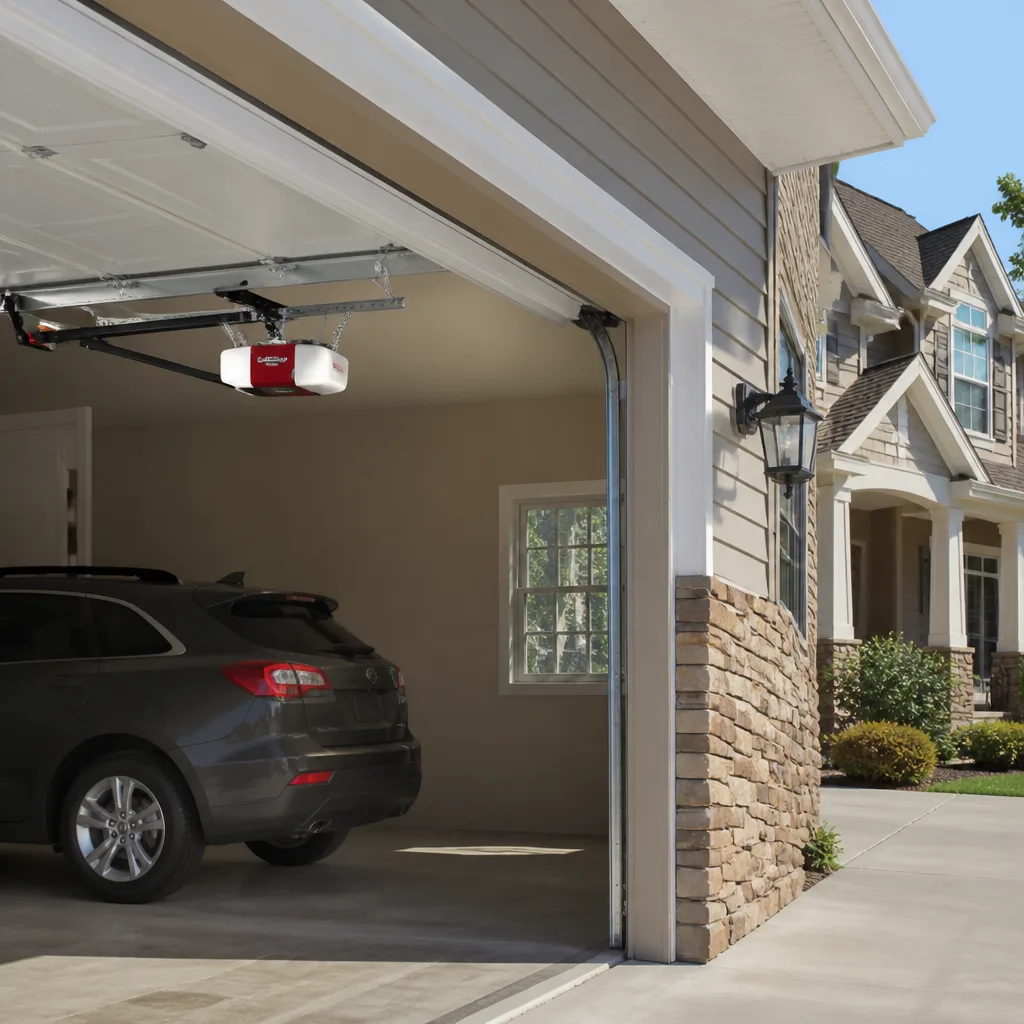 LiftMaster openers
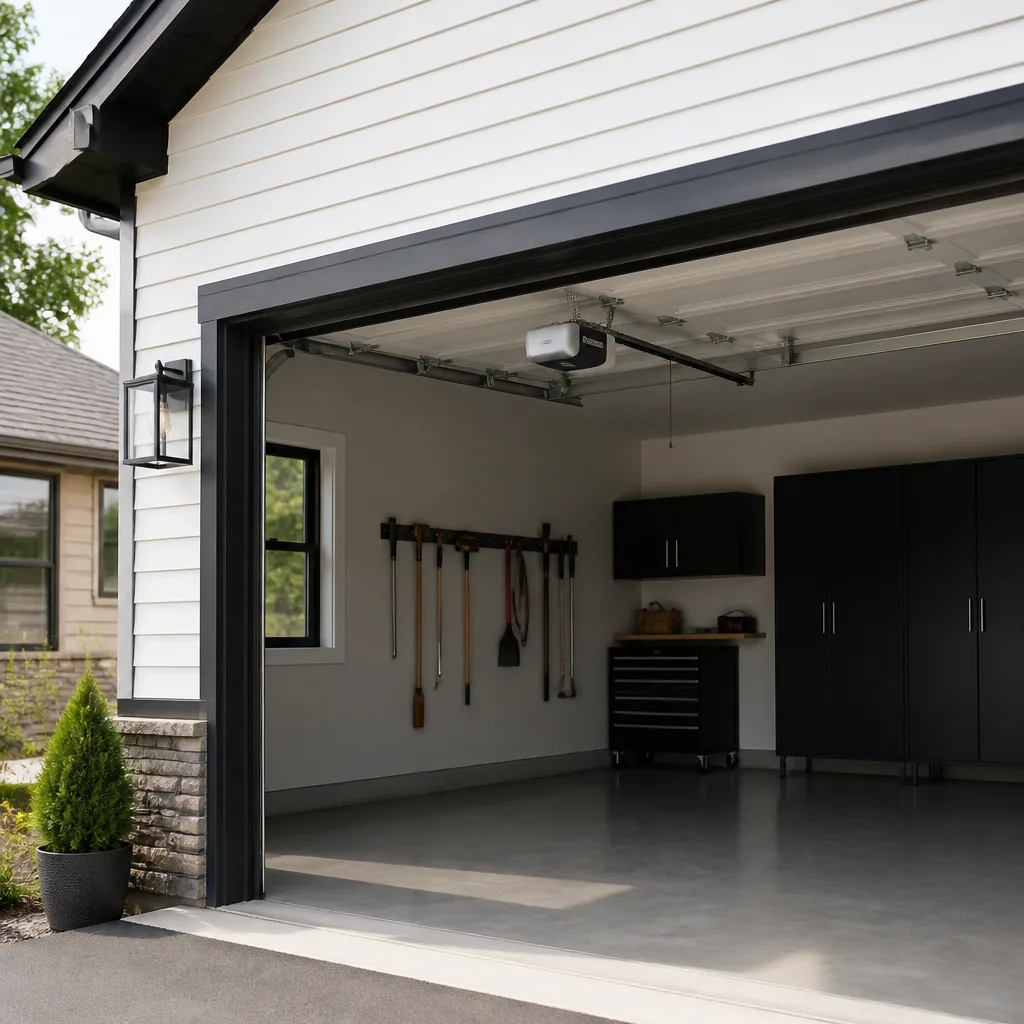 Chamberlain openers
Full 25-point door and opener safety check with every visit - springs, cables, rollers, tracks, and your LiftMaster or Chamberlain opener included
You get a price before we start. It does not change when the pro arrives.
Get your free estimateGarage Door Emergency Preparedness Guide for Port Saint Lucie Homes
Most Port Saint Lucie homeowners think of garage door prep as one task: finding a repair number and keeping it on the fridge. That’s the easy part. The part that actually protects the house is understanding wind ratings, the manual release, and how to secure the largest opening in your home before a storm. During a hurricane, your garage door is the most vulnerable section of your home’s envelope. A door that flexes and fails under wind pressure doesn’t just break itself – the pressure that gets inside can push on your roof structure from below. This guide covers what your door is rated for, how to operate it during an outage, and what to inspect after the storm passes.
Quick Answer
Garage door emergency preparedness in Port Saint Lucie means knowing three things before a storm arrives: your door’s wind-load rating (and whether it was built to the older standards), how to manually release your specific opener when the power fails, and which conditions call for bracing versus calling a repair technician. A door rated for hurricane wind pressure and correctly braced is a genuine structural defense. A door that isn’t rated, or that’s been poorly maintained, is a weak point that wind will find.
Styles & brands we work with
- Raised-panel steel
- Carriage house
- Modern flush
- Full-view glass
- LiftMaster openers
- Chamberlain openers
Table of Contents
- How to Find Your Door’s Wind-Load Rating
- What a Pre-2002 Door Means for Your Home
- How to Release the Door Manually by Brand
- Stuck Open or Jammed Closed Before a Storm
- Vertical Bracing Kits: What They Can and Can’t Do
- What to Inspect and Document After the Storm
- Pre-Season Maintenance Checklist
- Common Mistakes to Avoid
How to Find Your Door’s Wind-Load Rating
Your garage door’s wind-load rating is printed on a label attached to the door or on the documentation that came with the door or opener. It tells you the maximum wind pressure the door was tested to withstand without permanent deformation or failure. If you can’t find the label, look in the following places, in this order:
- The door itself. Open the garage door and look along the inside face of the bottom panel and the stiles. Manufacturers print the rating label here.
- The original paperwork. Home records, closing documents, or any folder left by the previous owner often contain a door spec sheet.
- The manufacturer’s nameplate. If you see Clopay, Amarr, Wayne Dalton, Raynor, or another brand, that’s your starting point. A garage door professional can cross-reference the model number to the factory specifications.
- The opener documentation. The opener’s model number sometimes points to a paired door rating, though this is less reliable than the door’s own label.
The label will show a design pressure figure. Here’s how to read it: a higher number means the door is built to withstand more pressure before it fails. Doors rated for the local wind-load requirements are engineered with reinforced hinges, heavier gauge hardware, and thicker rails than doors built for mild climates. If your label is missing or worn to the point you can’t read it, that’s not a reason to panic. It’s a reason to have a technician look at the door and confirm what you have. Port Saint Lucie’s building department can also tell you what rating a replacement door needs for your property, and your insurance carrier may have the same information on file.
If you need a repair that involves the reinforcement hardware, garage door repair is where to start. A technician can tell you whether the hardware on your door is still doing the job it was designed to do.
What a Pre-2002 Door Means for Your Home
Florida’s building code changed significantly in 2002. If your Port Saint Lucie home was built before then, the garage door installed at the time of construction was likely built to older standards that don’t reflect the wind requirements on the books today. That doesn’t mean the door is unsafe. It means you can’t assume the door was built to the same standard as a door installed in a newer home in Port Saint Lucie.
Here’s what that means in practice:
- The door may still pass an inspection if it’s intact, well maintained, and properly braced for a storm. Age alone doesn’t fail a door.
- Replacing it isn’t always necessary before the next storm, but knowing what you have is the first step. A professional inspection tells you whether the door’s hardware has degraded to the point where a brace won’t help.
- Insurance may not care about the pre-2002 distinction if the door hasn’t been replaced. Check with your carrier about how they view older doors for coverage purposes.
- If you’re replacing, the new door must meet current code. That’s a conversation for the permit stage, not a claim to make on your own.
Many homes in Port Saint Lucie were built during the 1990s and early 2000s, which means a large share of the housing stock has a door that predates or sits right at the code-change line. If your home’s records don’t show a door replacement, it’s worth having the door inspected and documented before hurricane season. A written inspection on file makes the conversation easier with both an insurer and a future buyer. If you’re weighing a replacement, garage door installation covers how the process works and what the code requirements mean for Port Saint Lucie homes.
How to Release the Door Manually by Brand
Every opener has a manual release, and every manual release works the same way in principle: you pull the cord (or the release mechanism) to disengage the carriage from the drive system, and then you lift the door by hand. In practice, the release mechanism varies enough by brand that it’s worth knowing which one your Port Saint Lucie home has before the power goes out. Here’s how it works for the brands we see most often:
LiftMaster and Chamberlain
These two share the same basic design. Look for the red release handle hanging from the trolley near the door. Pull it down and toward the door to disengage the carriage. If the red cord is broken or out of reach, the same release is accessible at the trolley itself. You can use a hook or a pair of pliers to pull the release tab at the carriage. Once released, lift the door slowly. Lift it full open and prop it only if you’re certain the door will stay put.
Genie
Genie openers use a release cord similar to LiftMaster, but the carriage design is slightly different. The release handle hangs from the rail, and you pull it down to disengage. If the cord is inaccessible, the release tab at the trolley carriage will do the same job. Some Genie models use a lever release rather than a cord, so check the rail near the carriage before you assume you have a cord.
Craftsman
Craftsman openers (common in Port Saint Lucie homes built in the 1990s and 2000s) use a release cord with a red or black handle. Pull down to disengage. Craftsman’s chain-drive openers sometimes have a release that locks when pulled at an angle, so pull straight down. If yours has been sitting unused for years, test the release before storm season, not after the power fails.
What if the release cord is broken or unreachable?
This happens more often than people expect. A cord can dry-rot, get tangled in the door mechanism, or simply be out of reach when you need it. Here’s the triage order:
- Look for the release tab at the carriage. Nearly every opener has a mechanical release at the trolley itself, independent of the cord.
- Check the door’s emergency key. Many openers have a keyed exterior release for this situation. If you have one, keep the key accessible.
- If neither works, do not force the door. A door that’s locked to a jammed carriage can bend rails or break the opener arm if pulled by hand. Call a technician for same-day opener work rather than forcing it.
If you’re not comfortable testing the release, or if the opener won’t re-engage after a manual release, garage door opener repair is the service to call. If you’d rather do a full dry run before storm season, we can walk through your brand’s manual release with you. Our technicians have up to 10 years of experience working on LiftMaster, Chamberlain, Genie, Craftsman, and the other major brands.
Stuck Open or Jammed Closed Before a Storm
A door that gets stuck open or jammed closed in the hours before a storm is one of the most stressful situations a homeowner can face. You can’t leave it open with wind incoming, and you can’t force it closed without risking further damage. Here’s how to triage.
If the door is stuck open:
- Determine whether the door is stuck because of the opener or the door itself. If the opener runs but the door doesn’t move, the issue is at the opener or the carriage. If the opener is dead and the door won’t lower by hand, the issue is mechanical.
- Release the carriage and lower the door manually. Use the manual release described above. Lower it slowly and evenly, one hand on the bottom edge.
- If it won’t lower by hand, do not force it. A bent track or a snapped spring is a mechanical failure, not a control problem. Forcing the door can send a panel or a spring component loose under pressure. Call a technician for emergency repair.
- If you can’t get the door down at all, brace it. A vertical bracing kit installed against the door’s interior face gives the door something to push against. It’s not a substitute for a rated door, but it’s better than leaving it fully open in wind.
If the door is jammed closed:
- Check the safety sensors. The small photo-eye units near the floor at each side of the door cause most “won’t close” problems. A leaf, a cobweb, or a misaligned bracket is enough to stop the door. Clear and realign.
- Disconnect the opener and try the door by hand. If it moves freely, the opener is the problem. If it doesn’t, the door’s spring or track is.
- Leave it closed if you can’t fix it quickly. A door that’s jammed closed is safer than a door that’s open and unsecured. Board the interior side if you have any concern about wind getting under the door, and call a technician when the weather allows.
If a spring has snapped, that is a safety issue, not a repair item. The lifting force stored in a torsion or extension spring can cause serious injury if a homeowner tries to handle the components. Never attempt a spring replacement yourself. We handle spring repair as a dedicated service for exactly this reason. Call us at (833) 932-4537 for an emergency assessment.
Vertical Bracing Kits: What They Can and Can’t Do
Vertical bracing kits are a popular storm prep measure in Port Saint Lucie, and they’re a reasonable one – but the marketing around them tends to overstate what they do. Here’s the honest version.
What bracing kits actually do
A bracing kit is a set of vertical posts that brace against the inside face of the garage door, transferring wind pressure from the door panels to the floor and the ceiling structure. They reduce the amount of deflection a door experiences under wind load. That deflection reduction is real, and it makes a difference for a door that’s already rated and in good condition.
What bracing kits don’t do
Bracing doesn’t turn an unrated door into a rated one. It doesn’t compensate for degraded hardware, bent tracks, or a spring that’s lost tension. It doesn’t hold if the door’s connection points fail. And it doesn’t help if the door is left partially open. A brace on a door that isn’t rated for wind pressure is a partial measure, not a guarantee. The manufacturers of bracing kits generally say as much in their documentation.
Who should use one
- Homes with an older door that can’t be replaced before the next storm
- Doors that are in good repair but were built to less stringent standards
- Homeowners who want a documented storm-prep measure on file
Who should prioritize replacement instead
- Doors with visible damage, rust-through, or bent rails
- Doors with a spring that’s already lost tension
- Homes where the door has been repaired several times
If you’re not sure which category your Port Saint Lucie home falls into, an inspection settles it. We’ll tell you what you have and what would actually help.
What to Inspect and Document After the Storm
After a hurricane or tropical storm passes, the first hours matter for documentation. Adjusters and contractors will look for specific evidence of wind damage, and the earlier you capture it, the stronger your record. Here’s what to photograph and inspect:
- Photograph the door from both sides. Get a wide shot of the exterior and interior, then close-ups of any panel that shows a dent, buckle, crease, or separation.
- Check the door panels for deflection. A door that bowed under wind pressure but came back to shape may still have bent hinges. Look at the panel edges where they meet the stiles.
- Check the tracks. Wind pressure can push tracks out of alignment even when the door still moves. Look for gaps between the track and the door, or track sections that are no longer parallel.
- Check the hinges and rollers. Bent hinges and popped rollers are common after a storm even when the door looks intact from the outside.
- Test the opener. Run the door up and down once if the power is back on. A door that moves unevenly or stops mid-travel may have hidden damage.
- Document any water intrusion. Photograph water stains along the interior wall next to the door, and under the threshold.
- Keep a written log. Note the date, time, and observed damage on each photo.
If you find damage, don’t operate the door repeatedly to show an adjuster – each cycle can make a bent component worse. If the door won’t move safely, leave it and let a technician check it. After a storm, homeowners in Port Saint Lucie are often dealing with the same problems we see across the area: bent tracks from wind deflection, damaged hinges, and openers that took on water. Having an inspection report on file makes both the insurance conversation and the repair conversation easier.
Pre-Season Maintenance Checklist
Storm prep is mostly maintenance that should happen before June. Here’s what to check on your Port Saint Lucie door each spring:
- Test the manual release. Disengage the opener, lift the door by hand, and re-engage. If you can’t lift it or it won’t re-engage, call for repair.
- Check the balance. With the door halfway up and the opener disengaged, it should stay in place. If it drops or rises, the springs need attention.
- Look at the spring. A torsion spring that’s sagging, or an extension spring with visible gaps, is a warning sign. Never touch the spring itself – just look.
- Inspect the door’s hardware. Hinges should sit flat, rollers should turn freely, and the hinges shouldn’t show rust-through. Surface rust is cosmetic. Rust through the metal is a problem.
- Lubricate the moving parts. A light lubricant on the hinges, rollers, and track will keep the door quiet and reduce wear.
- Test the safety sensors. Wave something across the sensor path and confirm the door reverses. If it doesn’t, the opener needs service.
- Read your door’s rating label. If it’s unreadable, ask us to identify the door and its rating from the model number.
When the opener is failing, garage door opener repair should be scheduled before the storm, not after. Opener problems are far easier to fix in calm weather than in the hours before a storm.
Common Mistakes to Avoid
- Assuming a door that opens and closes is storm-ready. A door can open and close smoothly and still have degraded hardware that fails under wind pressure. Visual operation isn’t the same as structural readiness.
- Relying on a bracing kit as a substitute for a rated door. Bracing reduces deflection, but it doesn’t rate the door. It helps, and it’s not a guarantee.
- Forcing the manual release. If the release cord doesn’t move easily, the carriage may be under load. Forcing it can damage the trolley or the opener arm. Disconnect at the carriage instead.
- Forgetting the safety sensors before a storm. A leaf across the sensor path can keep the door from closing in the hours before a storm when you need it most. Clear the sensor path when you do your pre-season check.
- Skipping the post-storm inspection. Not all wind damage is visible from outside. Bent hinges and rollers are the most common post-storm problems we see, and they aren’t obvious on a quick look.
- Waiting on a spring noise that’s developed slowly. A bang from the garage followed by an unbalanced door is the most common spring failure pattern. Call for repair rather than waiting for the door to fail completely.
See the difference
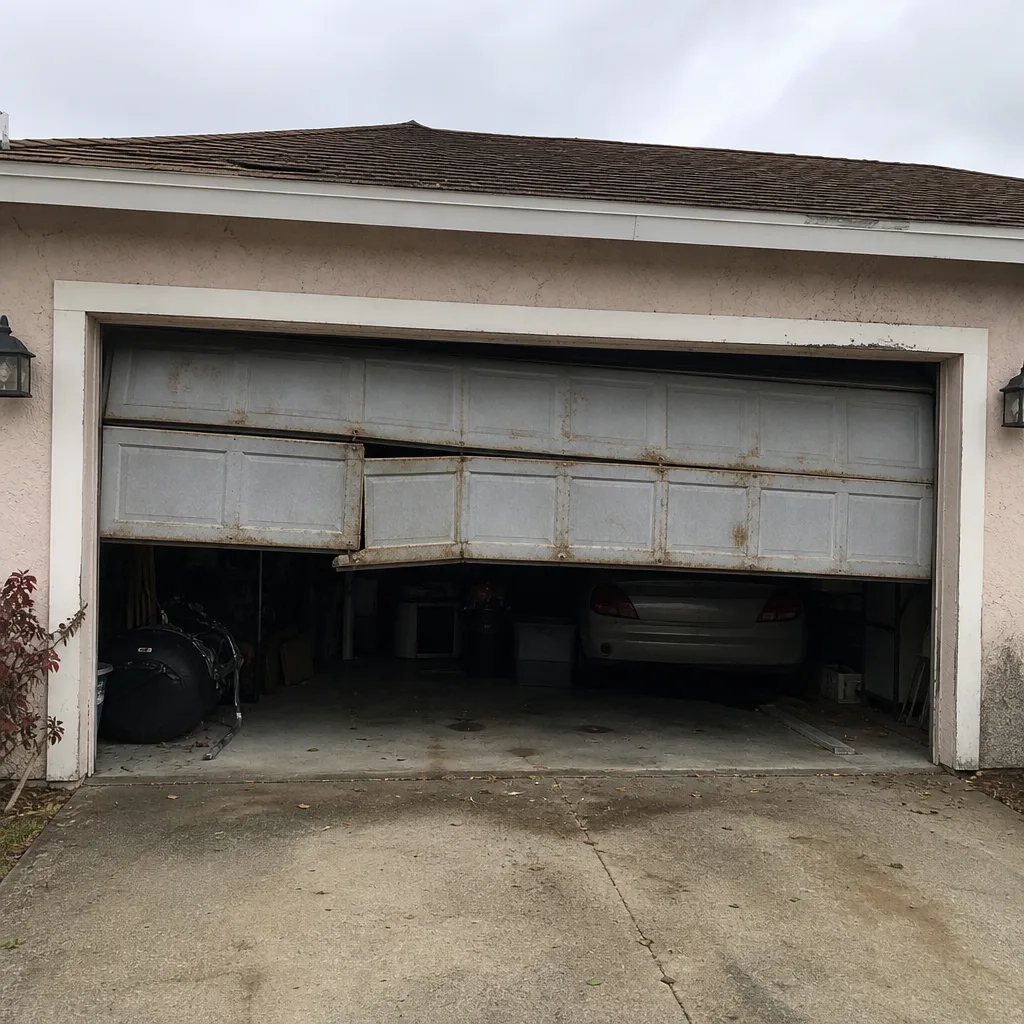 Before
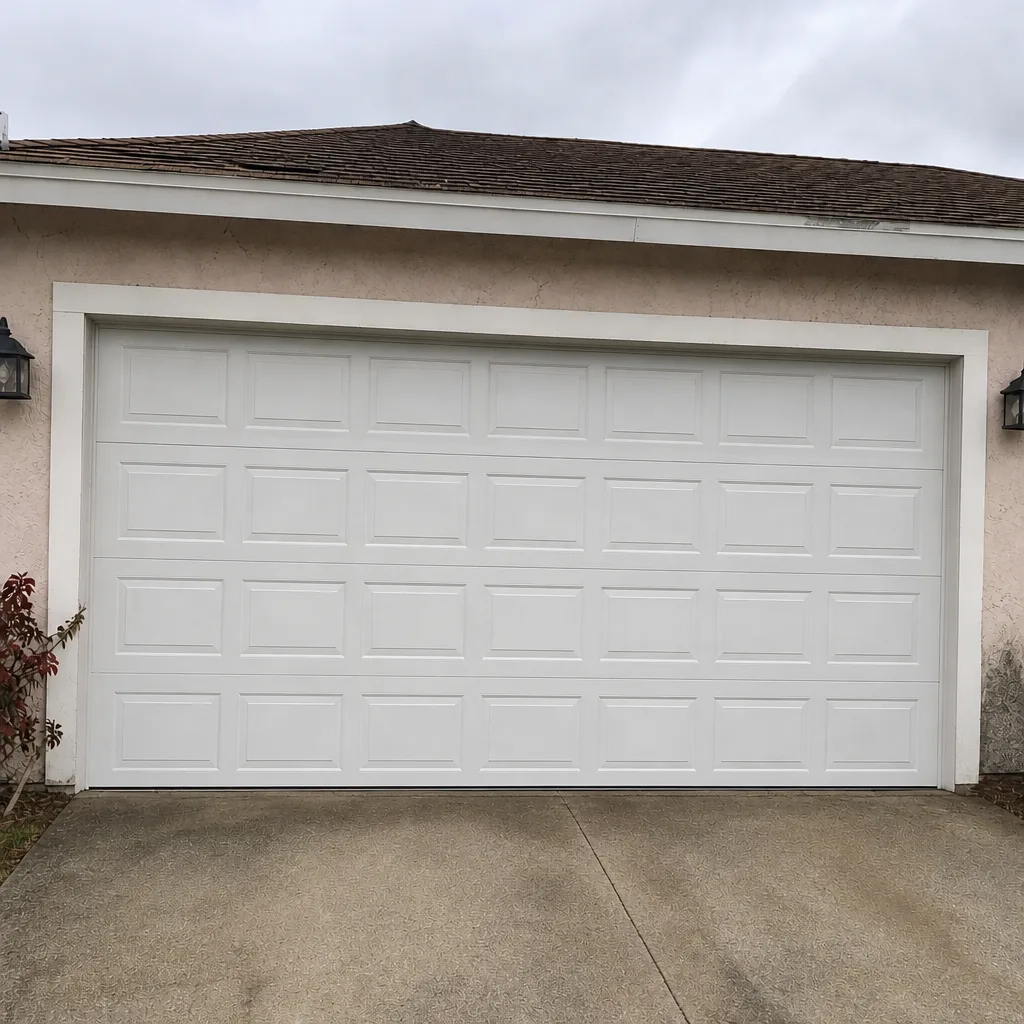 After
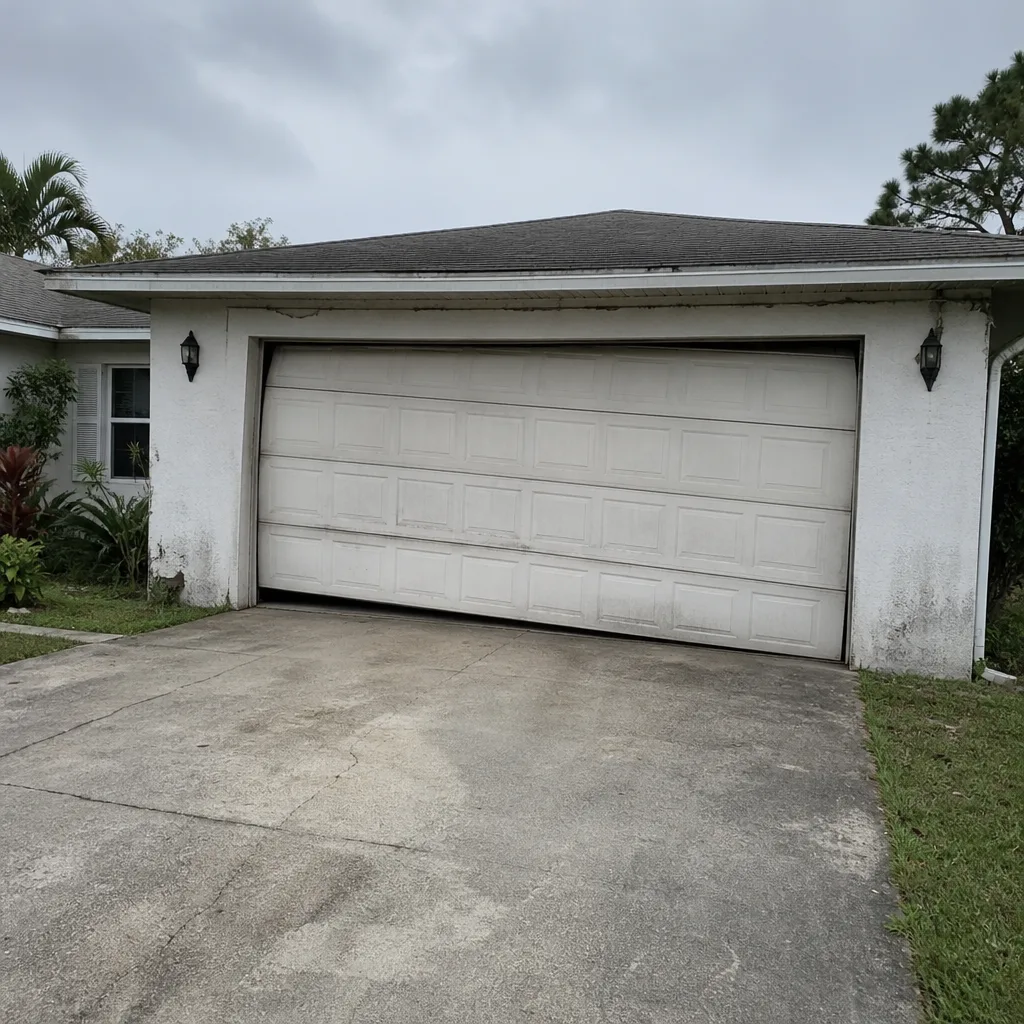 Before
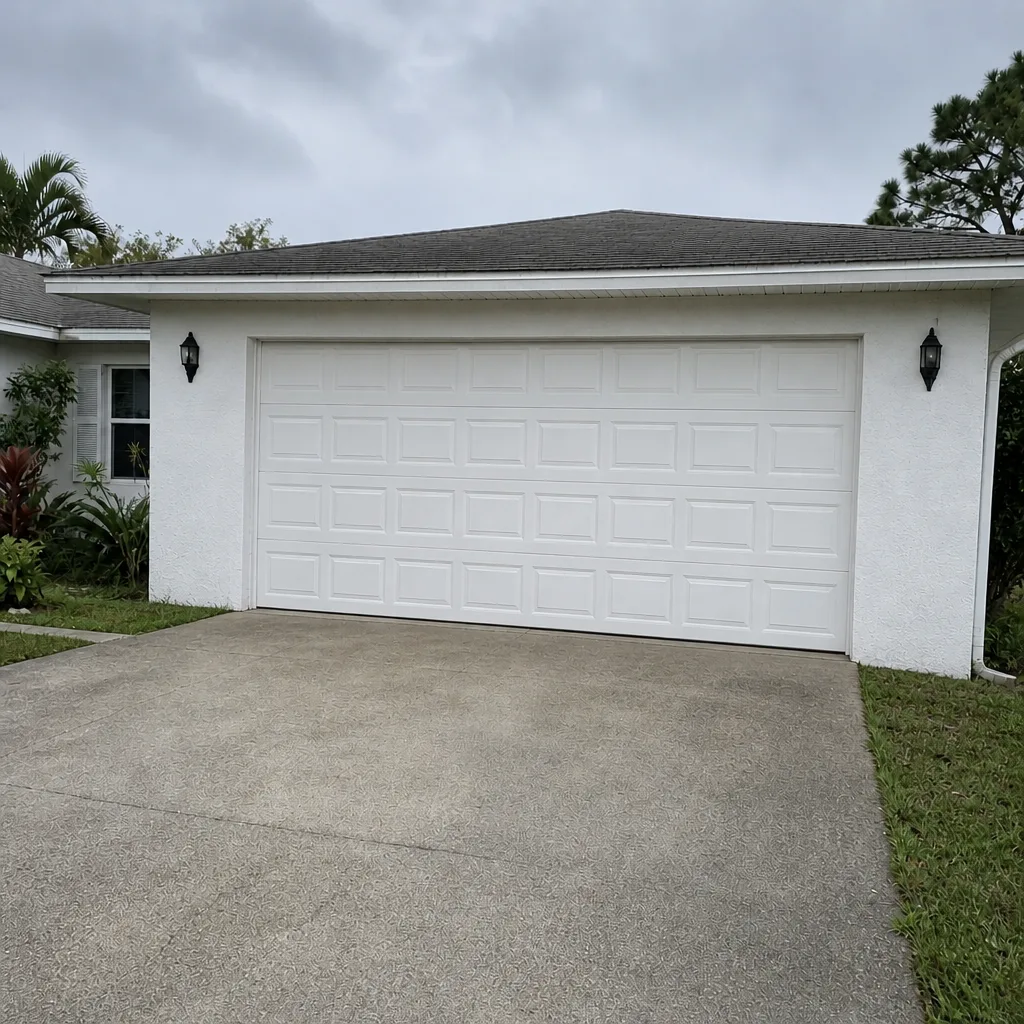 After
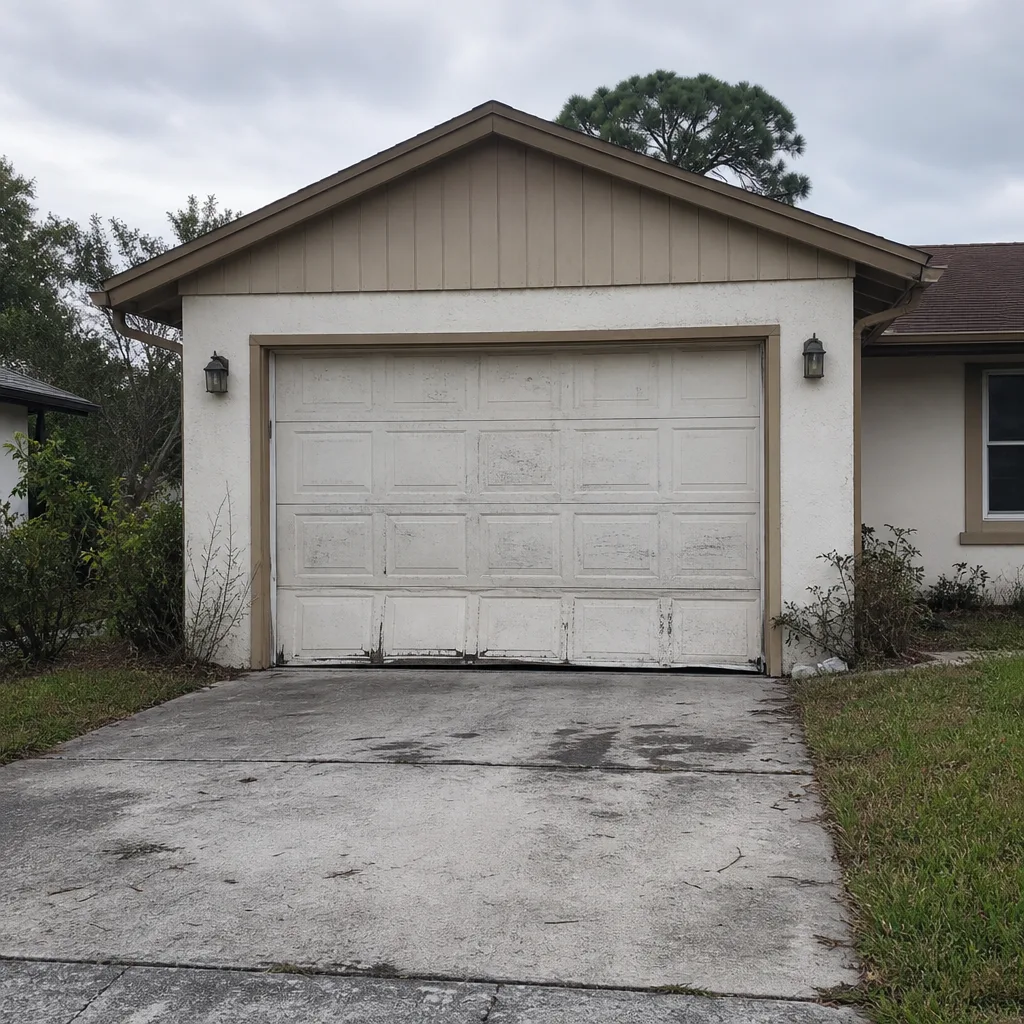 Before
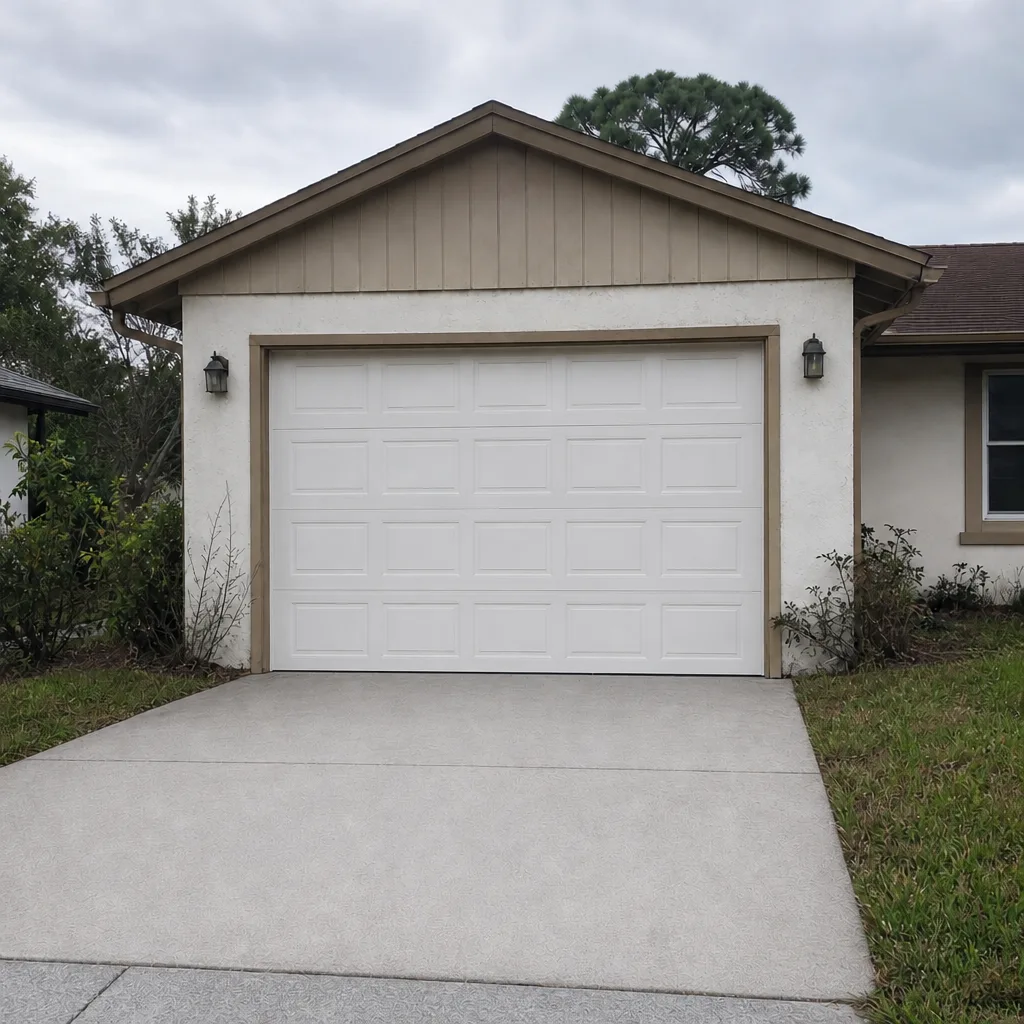 After
When to Call a Professional
Call us for the situations that involve the door’s mechanical system rather than its controls. Specifically: a snapped spring (never attempt this yourself – it’s the most dangerous component on the door), a door that won’t move by hand after you’ve disengaged the opener, a bent track or hinge that’s affecting the door’s travel, and an opener that won’t re-engage after a manual release. We also handle pre-season inspections if you’d like a professional opinion before the next storm. Port Saint Lucie Garage Door Repair Co offers free estimates in Port Saint Lucie – call (833) 932-4537.
If your opener is having trouble but the door works, call us for Port Saint Lucie Garage Door Repair Co service. We work on the brand you already own, whether that’s Wayne Dalton, LiftMaster, Craftsman, or another major brand, and parts come from our own supply rather than a third-party order.
Frequently Asked Questions
Look for the manufacturer’s label on the inside face of your door or in your home’s documentation. The label lists the door’s wind-load rating. If the label is missing or unreadable, call a technician who can identify the door by model number and look up the factory specification. A garage door pro can also tell you whether the door’s hardware is intact enough for the rating to still mean anything.
Release the opener at the carriage and try to lower the door by hand. If it won’t move, install a vertical bracing kit against the inside face and call us at (833) 932-4537 for emergency repair. Don’t force the door down, and don’t stand underneath it if it’s not fully supported.
No. A garage door spring stores enough force to cause serious injury, and it can fail without warning during a DIY repair. Call a garage door technician for spring repair. We handle spring work as a dedicated service for exactly this reason.
Pull the red release cord hanging from the trolley near the door. That disengages the carriage and lets you lift the door by hand. If the cord is broken or out of reach, use the release tab at the carriage itself. If neither works, don’t force it – call a technician for a same-day assessment.
No. A bracing kit transfers wind pressure from the door to the floor and ceiling, which reduces deflection, but it doesn’t change the door’s rating. If your Port Saint Lucie home has a door that predates the 2002 code changes, bracing is a reasonable interim measure, not a substitute for a rated door.
Photograph the door from both sides – a wide shot and close-ups of any damage – plus the tracks, hinges, and the interior wall next to the door. Keep a written log of the date and time of each photo. The most common post-storm garage door problems in Port Saint Lucie are bent hinges, bent tracks, and openers that took on water – all of which show up in photos better than in words.
The Bottom Line
Garage door emergency preparedness for Port Saint Lucie homes comes down to three things you can check before a storm: your door’s wind-load rating, your manual release, and your pre-season maintenance. A rated door that’s in good repair is a real defense. A brace helps on a door that isn’t rated, but it doesn’t turn it into one. And any door with a snapped spring, a bent track, or a failed opener needs a technician before the next storm, not after. If you’re not sure what your door can handle, an inspection settles it. Our technicians have up to 10 years of experience working on the major brands Port Saint Lucie homeowners own, and we stock the parts. Call (833) 932-4537 for a free estimate and a written price before any work starts.
Written by the team at Port Saint Lucie Garage Door Repair Co.