Last updated November 22, 2026
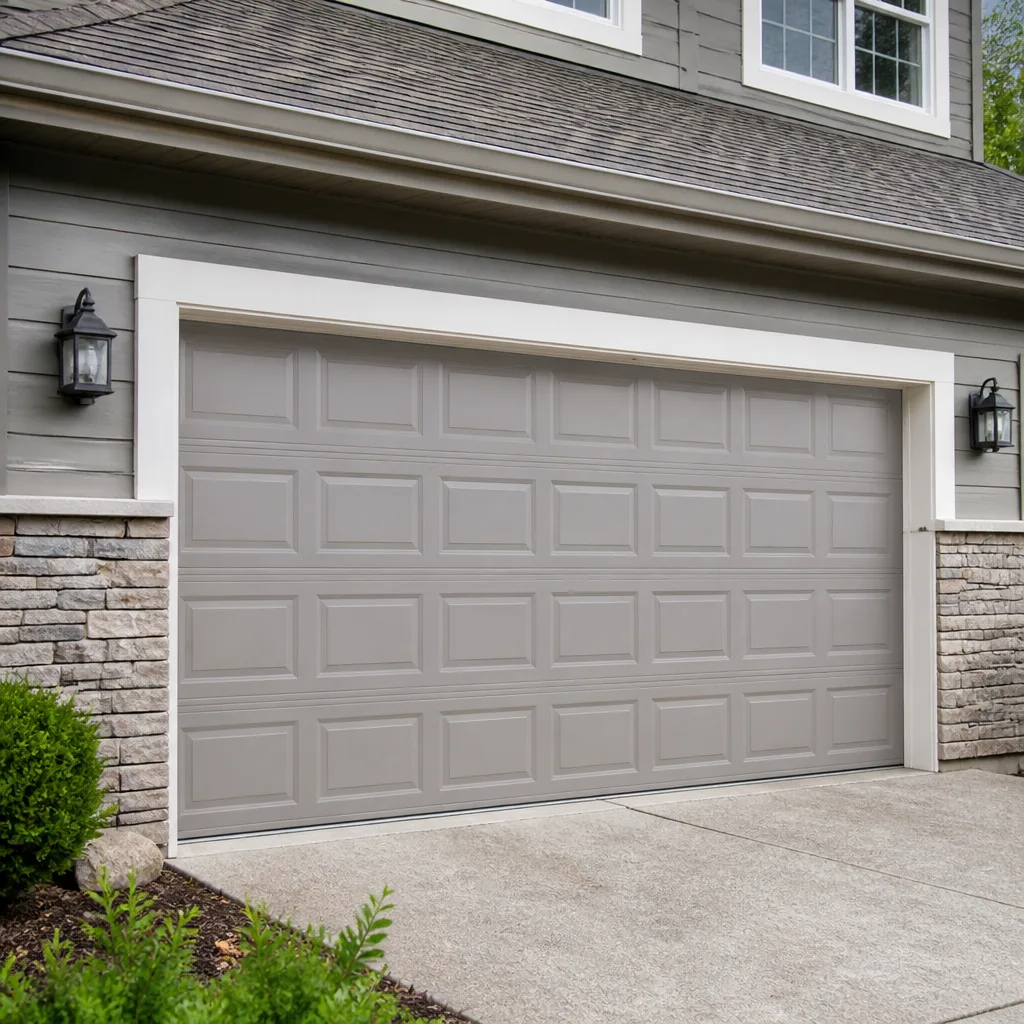 Raised-panel steel
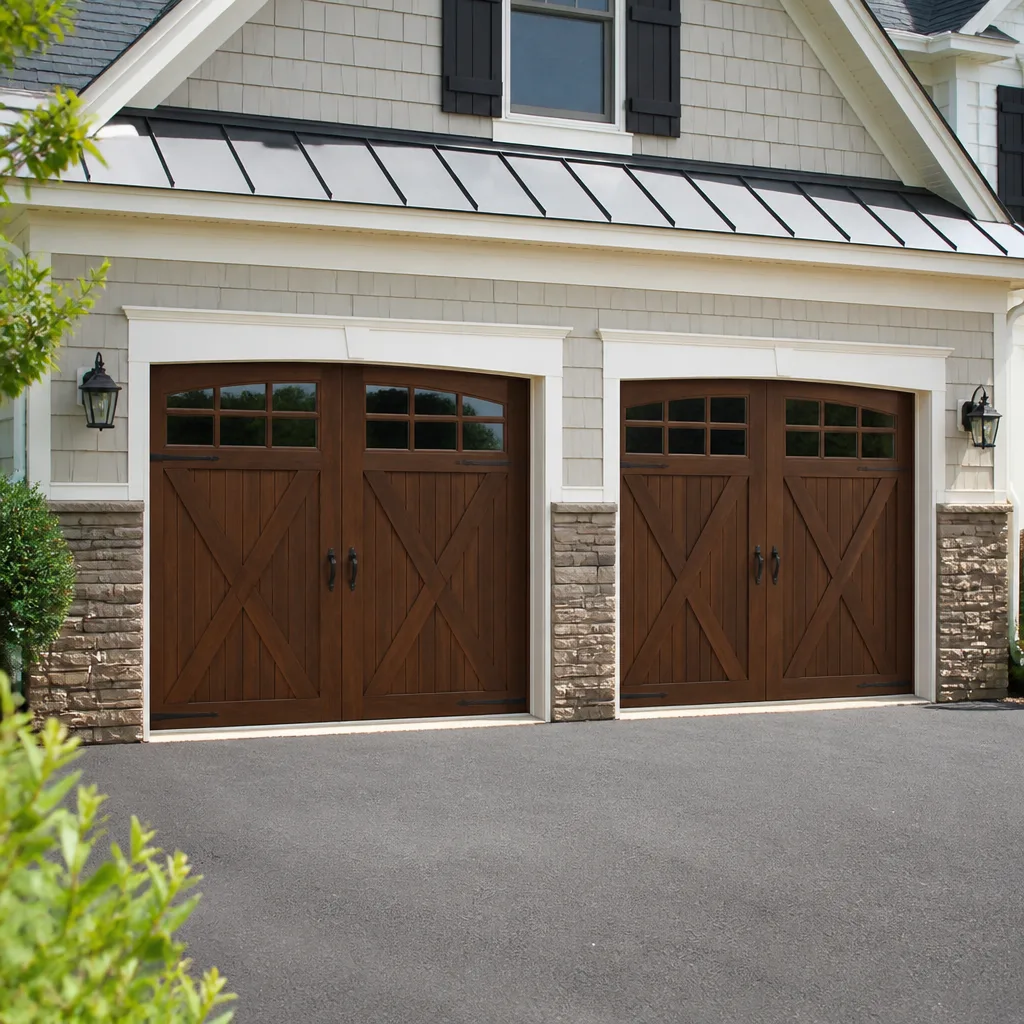 Carriage house
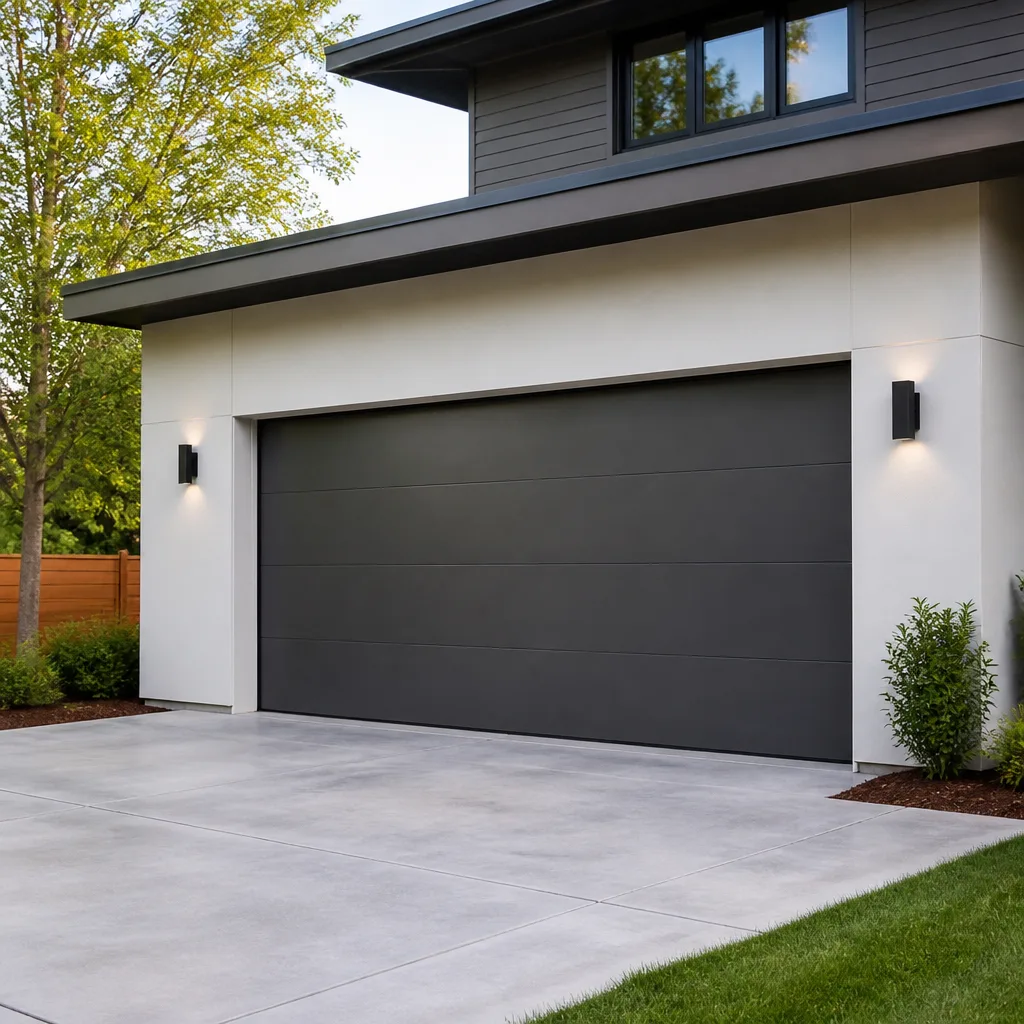 Modern flush
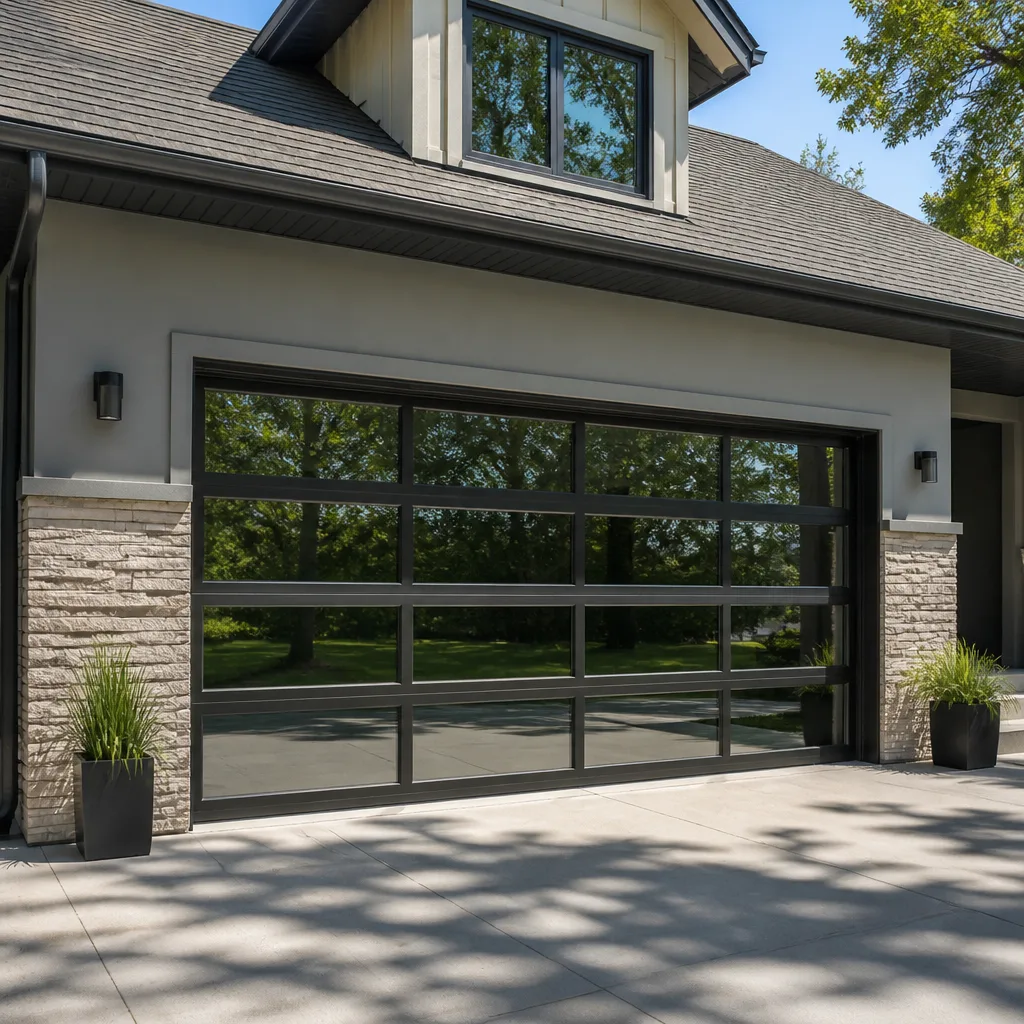 Full-view glass
 LiftMaster openers
 Chamberlain openers
Full 25-point door and opener safety check with every visit - springs, cables, rollers, tracks, and your LiftMaster or Chamberlain opener included
You get a price before we start. It does not change when the pro arrives.
Get your free estimateGarage Door Repair Maintenance Checklist for Port Saint Lucie Homeowners
The call we get most often after a long Port Saint Lucie summer isn’t a broken spring. It’s an opener that quit because corroded hardware slowly seized the door and burned out the motor. That sequence is almost always preventable, and it’s the reason a maintenance checklist for a Port Saint Lucie garage door needs to be built around our wet season and dry season, not a generic quarterly reminder you’d find on any national site.
What follows is the actual system we use to help homeowners catch the three failure patterns behind most emergency calls before they strand a car on the driveway. You’ll get a month-by-month calendar, the exact lubricants that hold up in high humidity, a weatherstripping inspection routine, the five-point safety test with pass/fail benchmarks, and a simple log that lets a technician see deterioration trends across visits instead of guessing at them.
Quick Answer
A garage door maintenance routine in Port Saint Lucie works best when it’s timed to the wet season (roughly May through October) and the dry season (roughly November through April), rather than a fixed quarterly schedule. At minimum, lubricate springs, rollers, and hinges twice a year, run a five-point safety reversal and balance test every six months, inspect weatherstripping for UV cracking before the wet season, and log each inspection so wear patterns are visible over time. Most of this takes under 30 minutes and costs nothing in parts.
Styles & brands we work with
- Raised-panel steel
- Carriage house
- Modern flush
- Full-view glass
- LiftMaster openers
- Chamberlain openers
Table of Contents
- Why Port Saint Lucie Doors Fail Differently
- The Port Saint Lucie Month-by-Month Maintenance Calendar
- Which Lubricants Actually Work in High Humidity (and What to Avoid)
- Inspecting Weatherstripping for Florida UV Damage
- The Five-Point Safety Reversal and Balance Test
- What to Log After Every Inspection
- Brand-Specific Notes for Common Port Saint Lucie Systems
- What You Can Check Yourself vs. What Needs a Technician
Why Port Saint Lucie Doors Fail Differently
Our climate puts two very different kinds of stress on a garage door system, and one makes the other worse.
The wet season brings months of heavy humidity. That humidity works its way into every moving joint in the door: hinges, roller stems, the ends of torsion springs, the pivot points on the opener rail. Steel that doesn’t have a fresh layer of lubricant on it starts to develop surface corrosion, which adds friction. The motor then has to work harder to move the same door, and the effect compounds. That’s exactly the sequence behind the call we mentioned at the top.
The dry season is the other half. UV exposure is strong year-round here but especially in late spring and summer, and it breaks down rubber and vinyl weatherstripping faster than many homeowners expect. By the time the strip looks obviously cracked, it’s usually already letting water and warm air past it. In our experience, most garage door problems we see in Port Saint Lucie trace back to one of three patterns:
- Seized hardware that drags on the opener. Lubrication is skipped, friction builds, and the motor fails trying to compensate.
- Failed weatherstripping at the bottom seal and perimeter. UV cracking lets moisture in and forces the door to close harder.
- Unbalanced doors. A door that’s no longer balanced puts constant strain on the spring and opener every single time it moves.
Each of these develops slowly and gives you plenty of warning. The checklist below is built to read those warnings.
The Port Saint Lucie Month-by-Month Maintenance Calendar
Skip the generic “every three months” advice. Our seasons don’t line up with it, and it front-loads work you don’t need while missing the tasks that matter when they matter. This calendar splits the year into the two rhythms that actually affect a garage door on the Treasure Coast.
Wet Season (May through October)
This is when humidity does the most damage. The goal is to keep moving parts lubricated and recheck problem areas more often.
- May, early wet season: Do a full lubricant pass before the heavy rains settle in. Wipe old grease off springs, rollers, and hinges first, then apply fresh lubricant. Inspect the bottom seal for gaps.
- July, mid-wet season: Walk the door and listen for new squeaks or grinding. Check hinges for any roughness. Spot-check weatherstripping along the sides and top, where driven rain finds gaps.
- September, late wet season: Run your balance test. Humidity has had months to swell door panels and stress the joints. Confirm the opener still lifts and lowers the door smoothly and quietly.
Dry Season (November through April)
UV and temperature swings drive the work here. The goal is inspecting rubber and vinyl and checking up on the mechanical components before the heat returns.
- November, early dry season: Do the second full lubricant pass of the year. Inspect weatherstripping closely for UV cracking along the sun-facing side of the door. Look at hinges and the spring for any new rust spots.
- January: Do the full five-point safety reversal and balance test. This is the ideal time to test and, if needed, adjust the opener’s force and travel settings while temperatures are mild.
- March: Check the door hardware for loose bolts and tracks for any debris. Confirm the spring hasn’t developed obvious wear.
- April, late dry season: This is the checkout before the heat and humidity return. Replace worn weatherstripping now, not after the rains start. Recheck the balance one more time.
Add a quick visual walk around the door once a month, any month, and you’ll cover the gaps that a fixed schedule leaves open.
Which Lubricants Actually Work in High Humidity (and What to Avoid)
The wrong lubricant is worse than none, and this is one place where cheap shortcuts cost a homeowner real money in the long run. A garage door in Port Saint Lucie has to hold up against months of humid air, and some lubricants either evaporate, attract grit, or leave a sticky film that traps dust and dirt into a grinding paste.
What to use
- Torsion springs and extension springs: A lithium grease or a purpose-made garage door spring lubricant. A dry or semi-dry film that doesn’t sling off the spring coils works best.
- Steel rollers: Lubricate the stem and the bearing, not the wheel itself. A light spray lubricant on the stem keeps the roller spinning freely without collecting grit on the wheel surface.
- Nylon rollers: These generally don’t need lubrication on the wheel and can actually be harmed by greasy spray that attracts abrasive grit. Keep the stem clean and dry rather than oiling it heavily.
- Hinges and pivot points: A spray that penetrates and leaves a light protective film works well. Wipe away excess so it doesn’t run onto the door panels.
- Weatherstripping: A silicone spray on the bottom seal and perimeter strip keeps rubber pliable and reduces UV cracking before the wet season. This is specifically useful in our climate.
What to avoid, and why
- WD-40 as a lubricant. It’s a decent penetrating oil and a cleaning helper, but it doesn’t leave a durable protective film for a garage door. In humidity, that means it’s gone before long, and hinge joints it was meant to protect start to corrode again. It also tends to displace the grease you do want.
- Too much of anything. Dripping excess lubricant gathers grit. A thin, even coat on each moving part is the goal.
- Generic “all-purpose” spray oil on springs. Springs need something that stays on the coils and provides a barrier against humidity. A thin, water-like spray leaves them exposed.
A simple rule: pick one good lubricant for the mechanical parts and one silicone spray for the weatherstripping, and wipe down before every application. That routine is what keeps a door in a Port Saint Lucie climate moving smoothly and quietly for years.
Inspecting Weatherstripping for Florida UV Damage
Weatherstripping is the first line of defense against both humidity and the heat that drives up a garage’s temperature, and in our climate it takes a beating. The sun-facing side of the door often shows UV damage before anything else does.
Here’s how to inspect it.
- Look at the bottom seal first. Check for flattening, brittleness, cracking, or gaps. If a gap is visible from standing height, water can get in.
- Run a hand along the perimeter strip to check for cracking or crustiness. UV exposure hardens rubber and vinyl, which then cracks instead of flexing.
- Check the hinge-side corners where perimeter strips tend to pull away. That gap catches driven rain from wet-season storms.
- Look for discoloration and surface crazing – tiny cracks across the rubber surface. These are early signs that replacement is due.
- Shut the door and look for light or air gaps around the bottom and sides. Light coming in along the bottom seal means the door isn’t sealing tightly.
What replacement looks like
Replacing a bottom seal and perimeter weatherstripping is a well-known, inexpensive job that uses standard replacement parts. When a strip is cracked or a bottom seal has lost its flexibility, replacing it with a compatible new strip restores the barrier and takes pressure off the door and opener. Because the correct size and type depend on the specific door, it’s important to match the material and profile to your existing door model. Doing this in the dry season, when the strip is most likely to show its damage clearly, is the practical way to schedule it.
If the strip is cracking at the corners and you aren’t confident the new seal will align to the door’s track, Port Saint Lucie Garage Door Repair Co carries the replacement parts and can fit them correctly the same visit.
The Five-Point Safety Reversal and Balance Test
This is the part of the checklist every homeowner should run twice a year, ideally before and after the wet season. It checks the two safety systems that protect people, pets, and property. If your door is built with high-tension springs and cables, be aware that those are genuinely dangerous parts. A torsion spring stores enormous energy, and a failure can cause serious injury. We recommend a trained technician for any actual work on springs or cables. The tests below are for the safety and balance systems and don’t involve getting near the springs with tools.
Step 1: The five-point safety reversal test
- Clear the doorway and make sure nothing is in the path of the door.
- Test the auto-reverse on an obstruction. Put a small object like a block of wood or a rolled towel at the center of the doorway, standing safely out of the way of the moving door. Close the door and confirm it reverses when it contacts the object.
- Test the photo-eye sensors. With the door open and the opener ready, pass your hand in front of one of the two sensors mounted at the door opening (the ones near the ground at each side). The door should not close, or should reverse. Do this for the other sensor too.
- Check the sensors are aligned. Both safety sensors’ indicator lights should be lit steadily. If either is blinking or off, the sensors are out of alignment or obstructed.
- Test the force limit by watching a full close cycle. The door should close fully and reverse immediately if it meets resistance. If it pushes hard against an obstruction rather than reversing, the force setting needs adjustment.
Step 2: The balance test
To test balance, first lower the door fully and check that the opener is disengaged, using the manual release. Then raise the door with your hands to roughly halfway up and let it go gently. A balanced door should stay in place or drift very little. If it drops or rises on its own, the door is out of balance. That means the spring or springs need adjustment, and an unbalanced door is straining the opener every time it runs. This part of the test is where we’d call a technician rather than attempt an adjustment.
Run both tests twice a year and any time the door starts behaving oddly. A door that reverses for no reason, stops randomly, or feels heavier than usual is telling you something.
What to Log After Every Inspection
The single most useful habit in this whole checklist is a simple maintenance log. It takes a minute and gives whoever works on your door a trend line instead of a snapshot. A technician can see, across visits, exactly which parts are degrading fastest and whether the problem is home-wide or isolated.
What to record each time
- Date of inspection and what season it falls in.
- Which checks you ran – lubricant pass, weatherstripping inspection, balance test, safety reversal test.
- Results of the safety and balance tests. Note pass or fail on each of the five safety checks and whether the door held position in the balance test.
- New noises or changes. Squeaks, grinding, rattling, or a door that sounds heavier are worth noting even if nothing’s failed yet.
- Visible wear on wear items. Rust spots on the spring, cracks in the weatherstripping, rough hinges, loose bolts.
- Anything replaced and when.
Why it matters
A log tells you two things immediately. First, if the same part keeps showing wear, that part may be under-built for the load or the door may be out of balance. Second, if you’re heading into wet season and the log shows weatherstripping starting to crack, you know to replace it before the rains, not after. A technician who can look at the log will use it to skip straight to the likely cause instead of starting from scratch with a baseline check.
Brand-Specific Notes for Common Port Saint Lucie Systems
Most garage doors and openers in Port Saint Lucie neighborhoods are one of a handful of brands, and knowing the brand matters. The track hardware, spring configuration, and opener force settings all differ. If you know what you own, you can check the right things and skip the generic advice that doesn’t apply.
- LiftMaster openers. These are common in residential neighborhoods. They use modern smart-home drive systems and many models come with built-in safety sensor diagnostics. When the door reverses or the sensors act up, the brand’s indicator pattern usually tells you where the issue is.
- Craftsman openers. A legacy brand found on plenty of older doors. We work on the older drive systems as well as the newer ones, so if you have an original Craftsman opener and the door is behaving oddly, a technician familiar with the line will know the force and travel settings to check.
- Wayne Dalton doors. Common on residential homes and often paired with a variety of openers. Their panels and weatherstripping profiles vary by model, which is why matching replacement strip to the door model matters.
- Raynor doors. Also a regular sight in our area. These often run with standard torsion systems, so the lubrication and balance checks in this guide apply directly.
We’re factory-familiar with eight major brands – LiftMaster, Chamberlain, Genie, Clopay, Amarr, Wayne Dalton, Craftsman, and Raynor – so whether your door and opener are a matched set or a mix from different manufacturers, we can work on the equipment you already own rather than replacing it out of convenience. If you’re unsure what system you have, the label on the opener and the door usually tells you.
What You Can Check Yourself vs. What Needs a Technician
Some of this checklist is genuinely homeowner work. Some of it isn’t, and knowing the line keeps you and your door safe.
Safe for a homeowner
- Wiping down and lubricating springs, rollers, and hinges.
- Inspecting weatherstripping and bottom seals.
- Running the five-point safety reversal test and the balance test.
- Keeping a maintenance log.
- Tightening visible loose bolts and clearing debris from the tracks.
- Testing that the photo-eye sensors are aligned and their lights are steady.
Needs a trained technician
- Spring work, including adjustment or replacement. Torsion springs and cables are under high tension. This is the most dangerous part of a garage door system, and a mistake can cause serious injury. We handle spring repair as a dedicated service for exactly this reason.
- Opener motor and control board repair. If a door is dragging or a motor has burned out, the cause could be the door’s balance, a failing opener, or a control board. Diagnosing it correctly takes the right tools and brand knowledge.
- Track alignment and door panel adjustment. Misaligned tracks and panels can be a sign of a deeper structural problem.
- Any time the balance test fails. Don’t use the door until it’s been checked. A door that won’t hold position is putting strain on the spring and opener with every cycle.
If you’re not sure whether the issue is the door or the opener, that’s the moment to call. The cheapest repair is the one done at the right time on the right cause.
Common Mistakes to Avoid
- Following a generic quarterly schedule. Our seasons run on a wet and dry cycle, not a four-quarter one. Lubricating on a fixed calendar while ignoring the pre-wet-season and pre-dry-season tasks misses the two windows that actually matter here.
- Using WD-40 as your main lubricant. It displaces moisture and helps freeing stuck parts, but it doesn’t leave a durable film against Port Saint Lucie humidity. Over a wet season, joints you thought were lubricated start grinding again.
- Waiting for weatherstripping to fall apart before replacing it. Cracked UV-damaged strip lets humidity in for weeks before it looks obviously failed. Inspect and replace in the dry season, while the damage is visible and the weather lets you work.
- Skipping the balance test. Most people test the auto-reverse and never test balance. A door that won’t hold position halfway up is quietly overloading the opener and spring. That’s the most common hidden cause of an opener that “just quit.”
- Ignoring a door that gets heavier. A door that suddenly feels harder to lift by hand has a balance or spring problem. Keeping the opener moving it anyway accelerates wear on the motor.
- Not keeping a log. Without records, every service visit starts from zero. A simple written log lets a technician spot a deteriorating part before it fails and see whether a problem is a one-off or a trend.
- Trying to adjust torsion springs. This is the mistake with the most serious consequences. Spring work is a safety issue, not a repair item, and it belongs with a trained technician.
See the difference
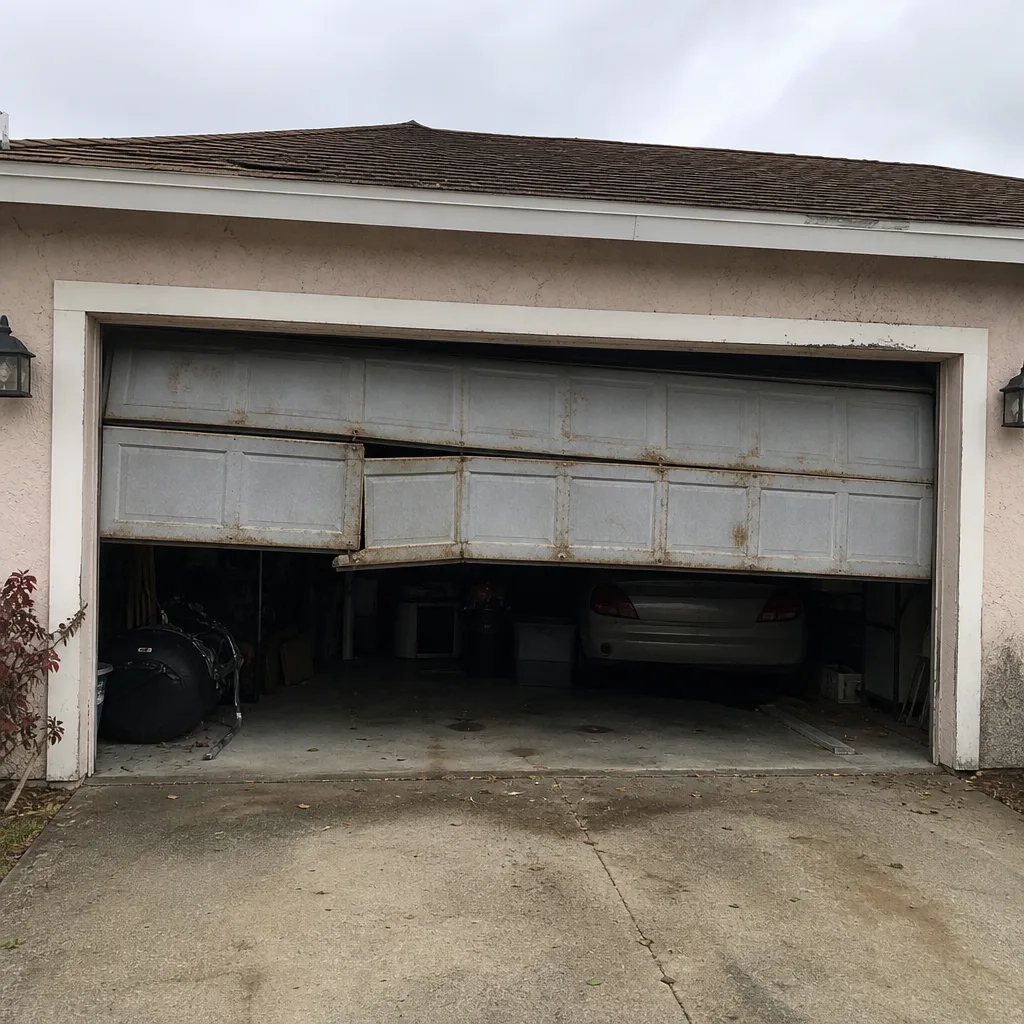 Before
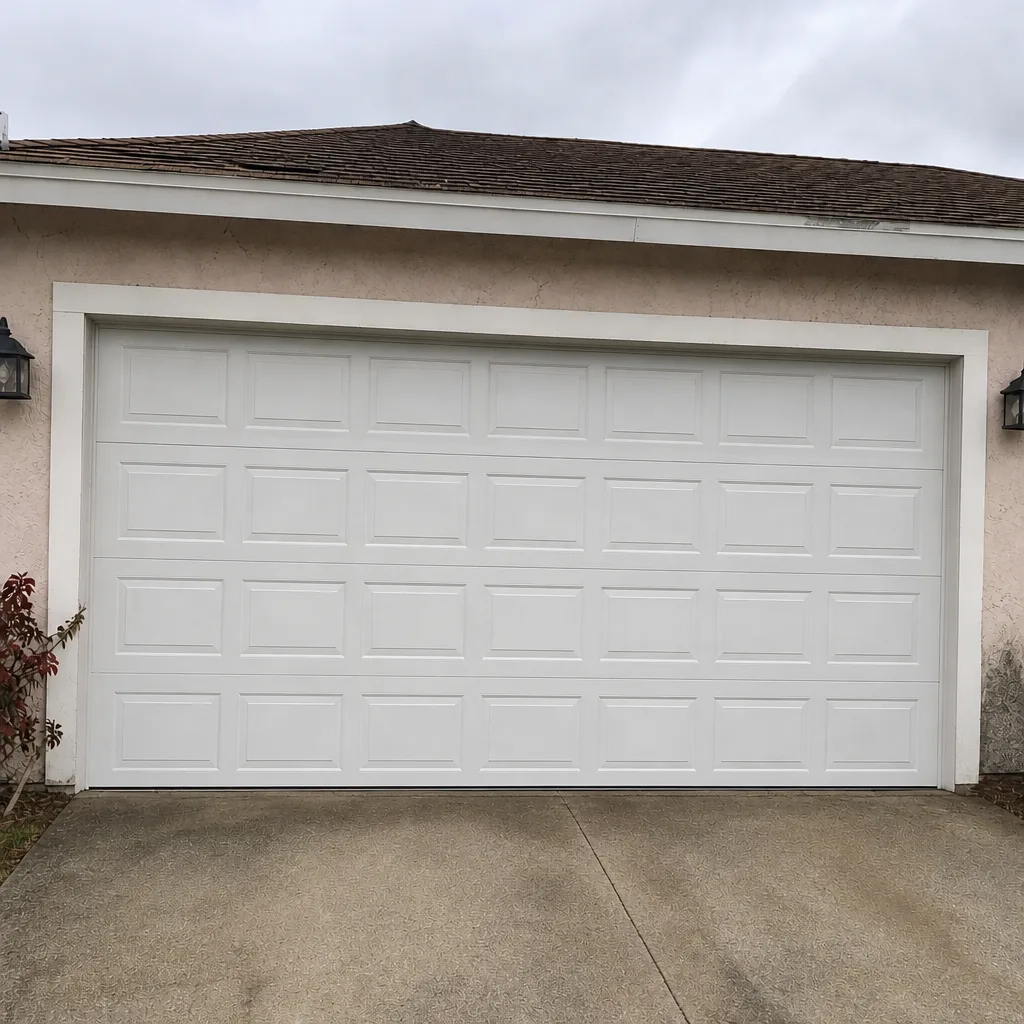 After
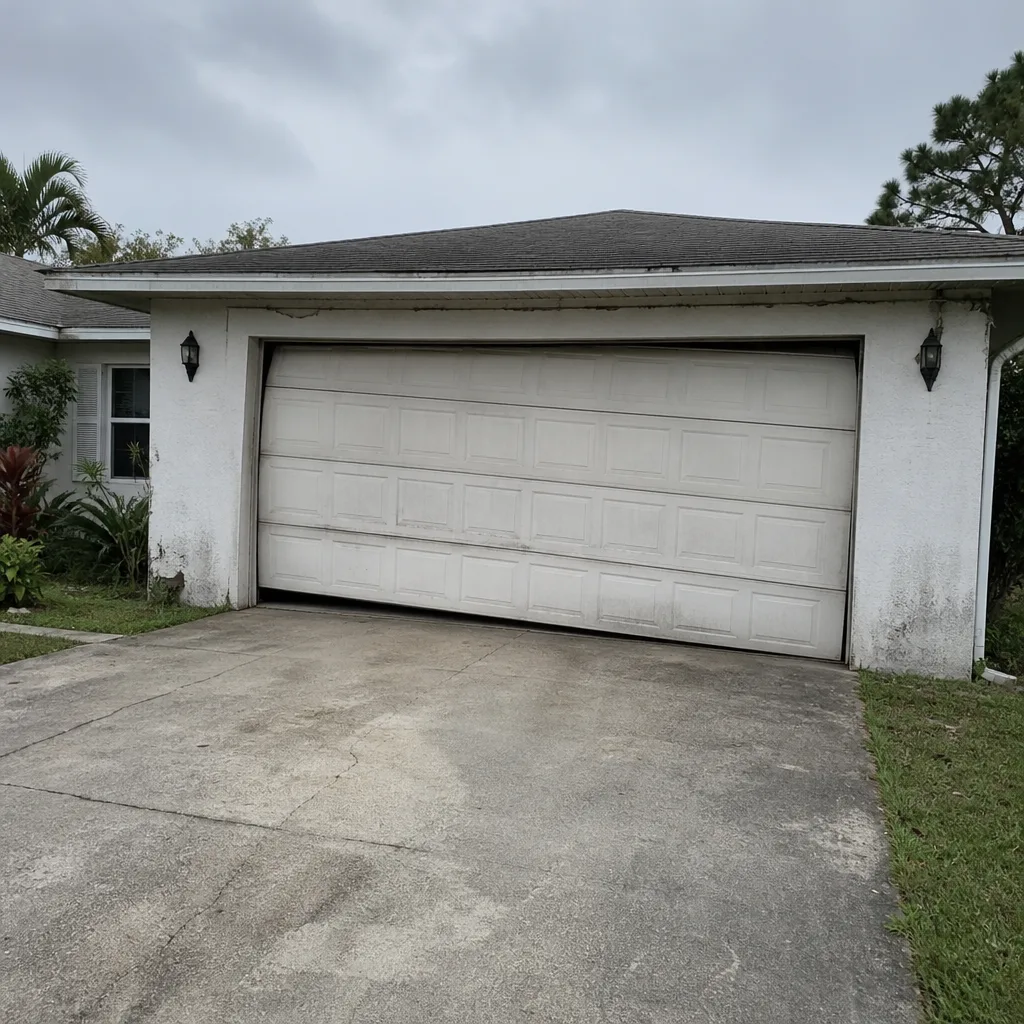 Before
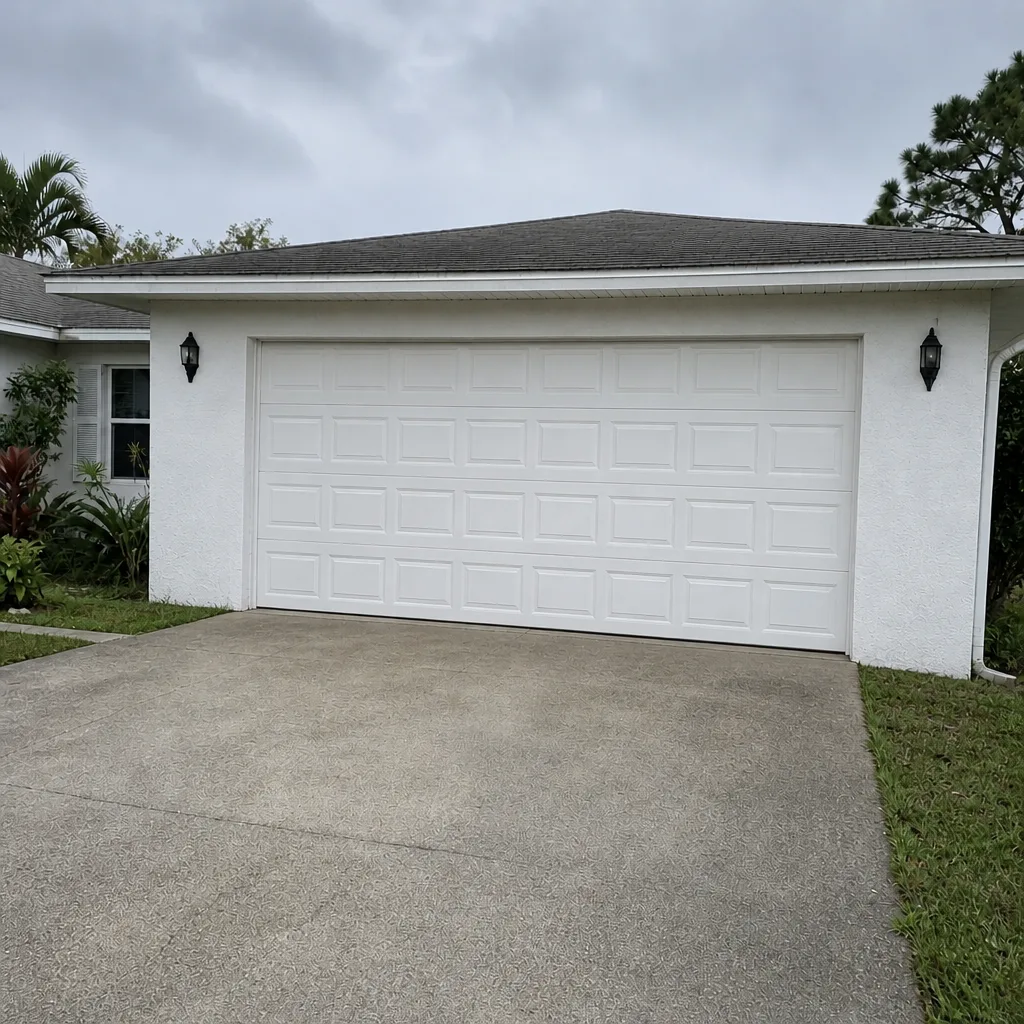 After
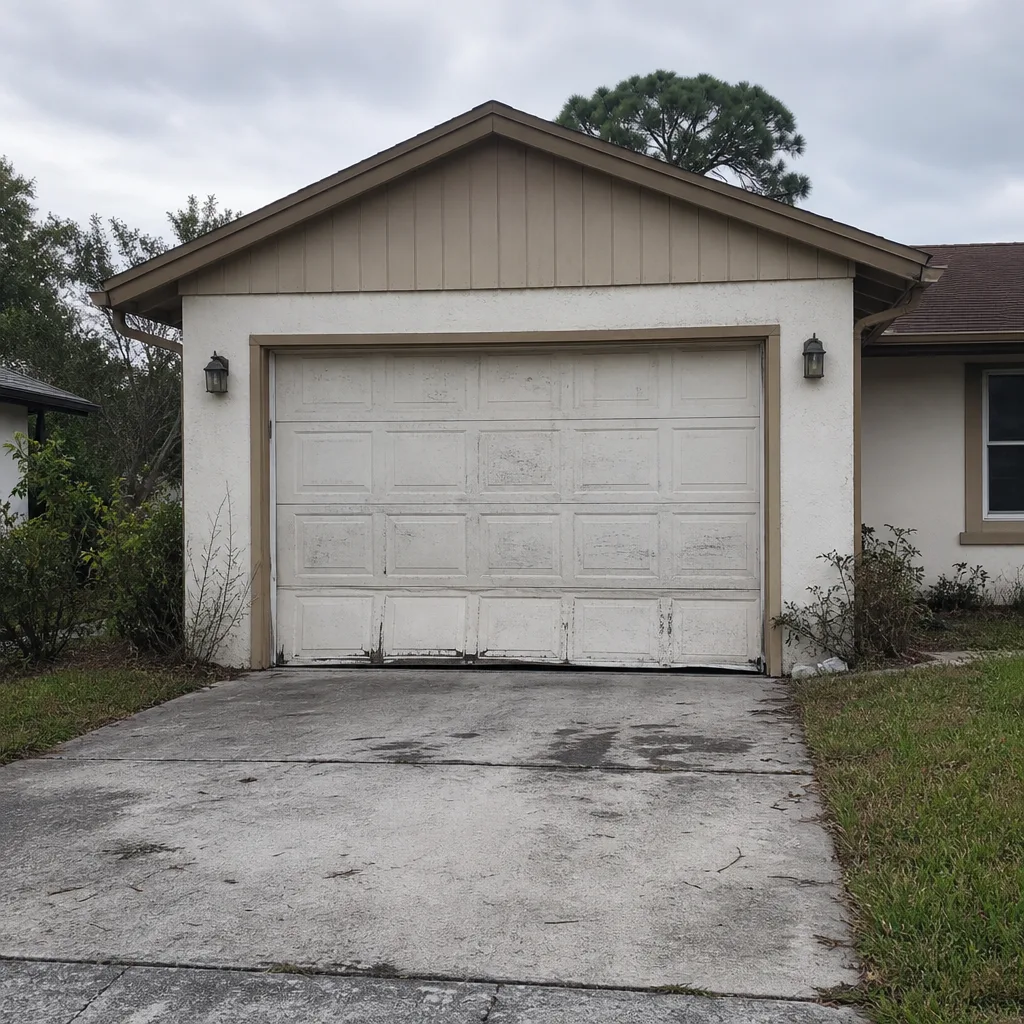 Before
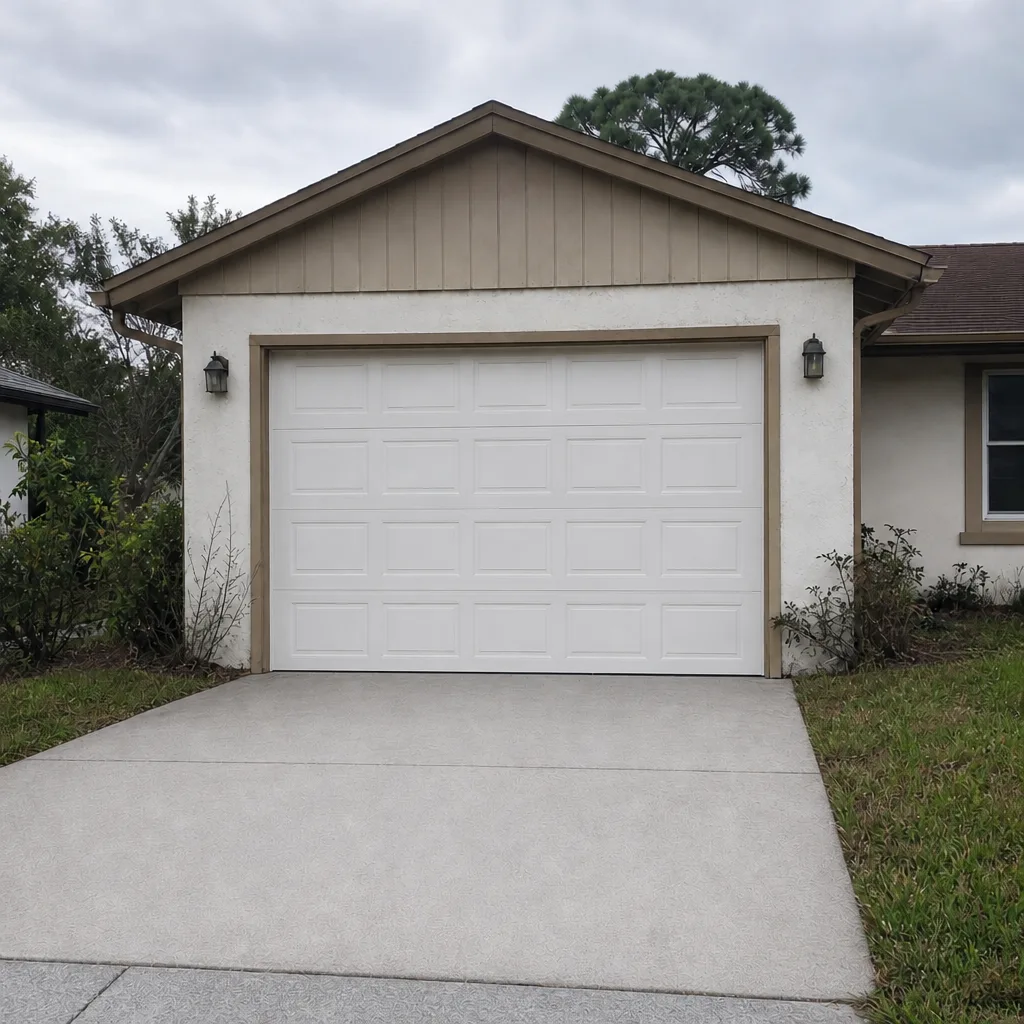 After
When to Call a Professional
Some of the checklist above is safe to run yourself, and the rest has a clear line. Call a professional if your door reverses for no reason, stops partway, or feels heavier than it used to. Call if a spring has visibly worn, rusted, or shows a gap. Call if the balance test fails – the door won’t hold position halfway up – and stop using the opener until it’s checked. Call if the opener’s motor has burned out, if the door is resisting the opener, or if your photo-eye sensors won’t stay aligned. And if you’re unsure which part is failing, call anyway. An unbalanced door and a failing opener can look alike, and diagnosing which one you have takes the right tools. Port Saint Lucie Garage Door Repair Co offers free estimates in Port Saint Lucie – call (833) 932-4537. We carry the parts on hand, so most ordinary repairs resolve in a single visit rather than waiting on an outside order.
Frequently Asked Questions
Twice a year is the right baseline in our climate: once in early wet season (May) and once in early dry season (November). The high humidity here makes a spring, hinge, and roller stay clean and greasy for less time than in a dry climate, so the two-pass routine keeps up with the climate better than a once-a-year habit. Call (833) 932-4537 for an exact quote if you’d rather have it checked in person – estimates are free.
No – garage door springs are under high tension and are the most dangerous component on the door, so a failure can cause serious injury. This is a safety issue, not a routine repair, and it belongs with a trained technician. Our technicians have up to 10 years of experience and handle spring repair as a dedicated service. Call (833) 932-4537 for a free estimate.
An opener that quits because corrosion and friction made the door harder to move until the motor failed. That’s a preventable sequence: lubricate on the wet-season schedule, run the balance test, and check the door for drag before the opener has to compensate. If your door feels heavier than usual, call (833) 932-4537 before the motor gives out.
Yes, especially if the cracking is on the sun-facing side or the bottom seal. UV exposure hardens and cracks rubber, and even small cracks let humidity and driven rain past the seal during the wet season. Replacing it in the dry season is easier and cheaper than waiting until the door is leaking. Call (833) 932-4537 for a free estimate on replacement.
That depends on how often the door cycles each day and how well the hardware is maintained, and no single number fits every door. Regular lubrication and a balanced door both extend spring life, and a spring that shows rust, wear, or a gap should be inspected by a technician. We handle spring repair as a dedicated service – call (833) 932-4537 for a free estimate.
Very likely. We’re fluent in eight major brands – LiftMaster, Chamberlain, Genie, Clopay, Amarr, Wayne Dalton, Craftsman, and Raynor – including both modern smart-home openers and older legacy drive systems. We work on the equipment you already own rather than assuming it needs replacing. Call (833) 932-4537 for a free estimate.
The Bottom Line
A Port Saint Lucie garage door lasts longer when maintenance tracks the local seasons instead of a generic quarterly calendar. Lubricate springs, rollers, and hinges twice a year using a lithium or purpose-made spring lubricant and a silicone spray for weatherstripping – not WD-40 as your main lubricant. Inspect weatherstripping for UV damage before the wet season, run the five-point safety reversal and balance test twice a year, and log each inspection so a technician can read the trend across visits. Most of the routine is free and takes under 30 minutes. The one line you don’t cross is spring and cable work, which is dangerous and belongs with a trained technician.
If anything on this checklist turns up a problem, or you’d rather have the whole system checked in person, Port Saint Lucie Garage Door Repair Co offers free estimates and carries the parts on hand to get most repairs done in a single visit. Whether you need garage door repair, garage door opener repair, or are considering a garage door installation, one call covers it. Reach us at (833) 932-4537.
Written by the team at Port Saint Lucie Garage Door Repair Co. Explore Port Saint Lucie Garage Door Repair Co for the full range of services.