Last updated November 22, 2026
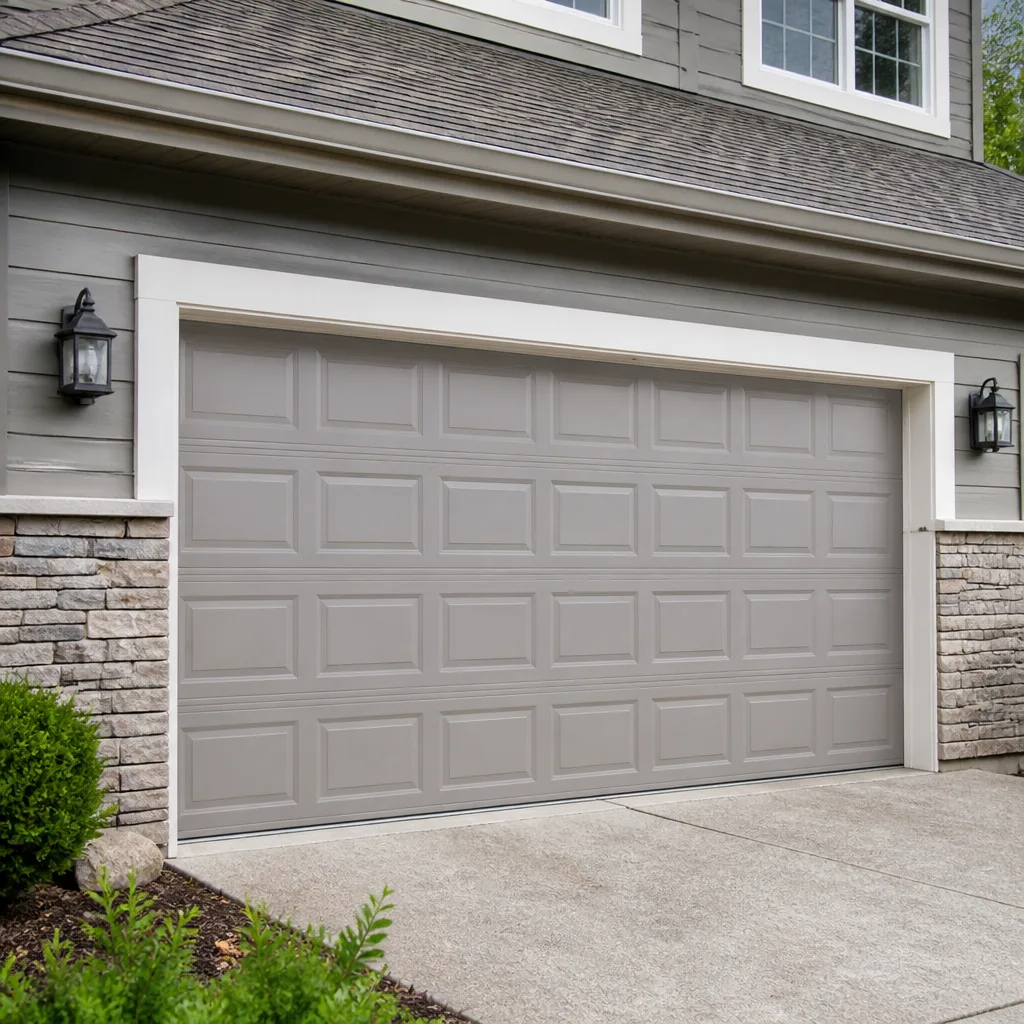 Raised-panel steel
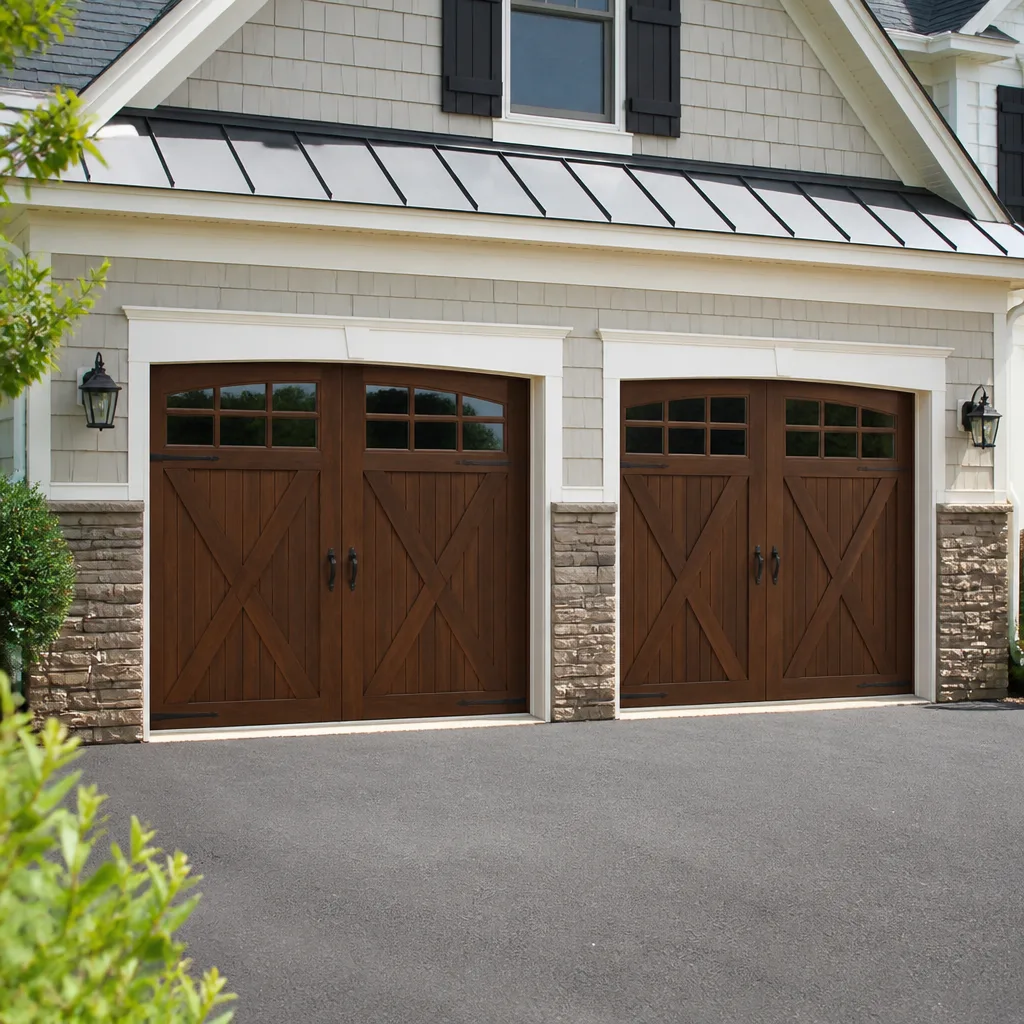 Carriage house
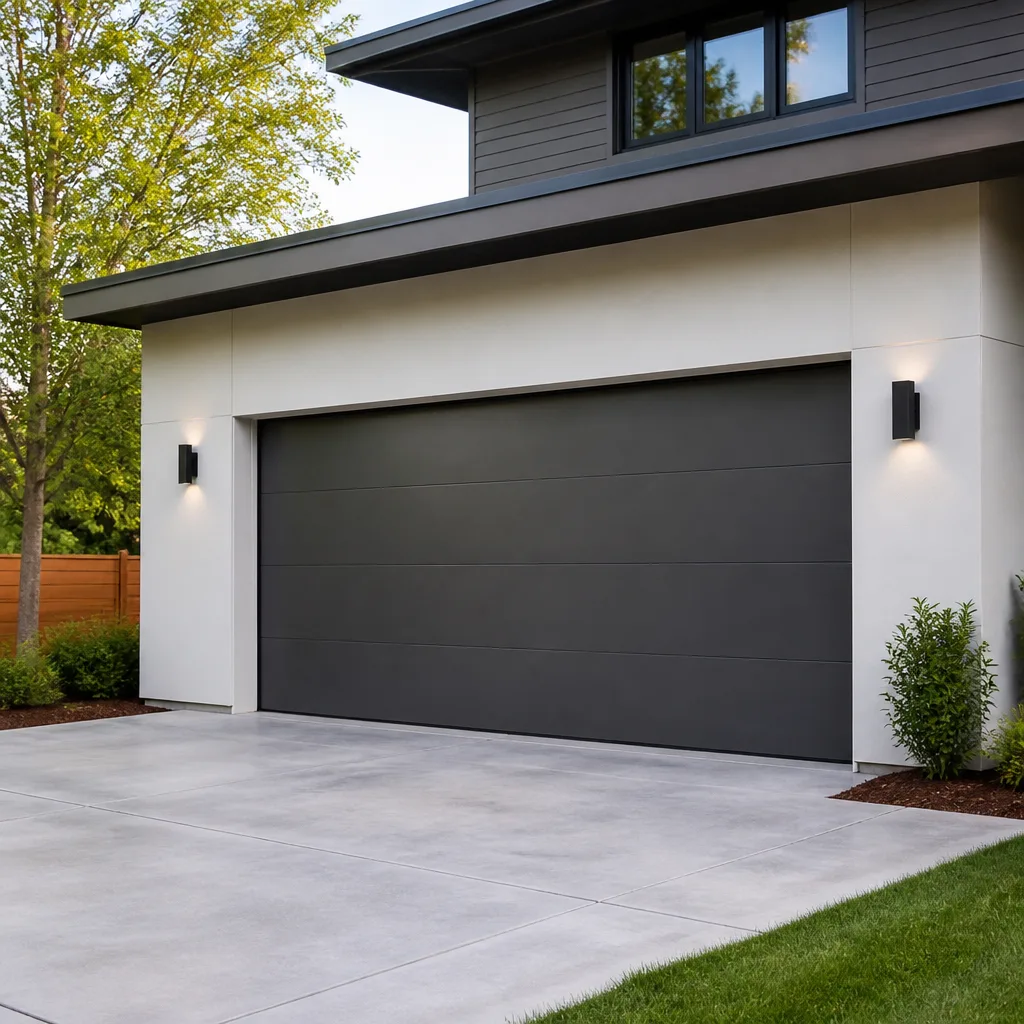 Modern flush
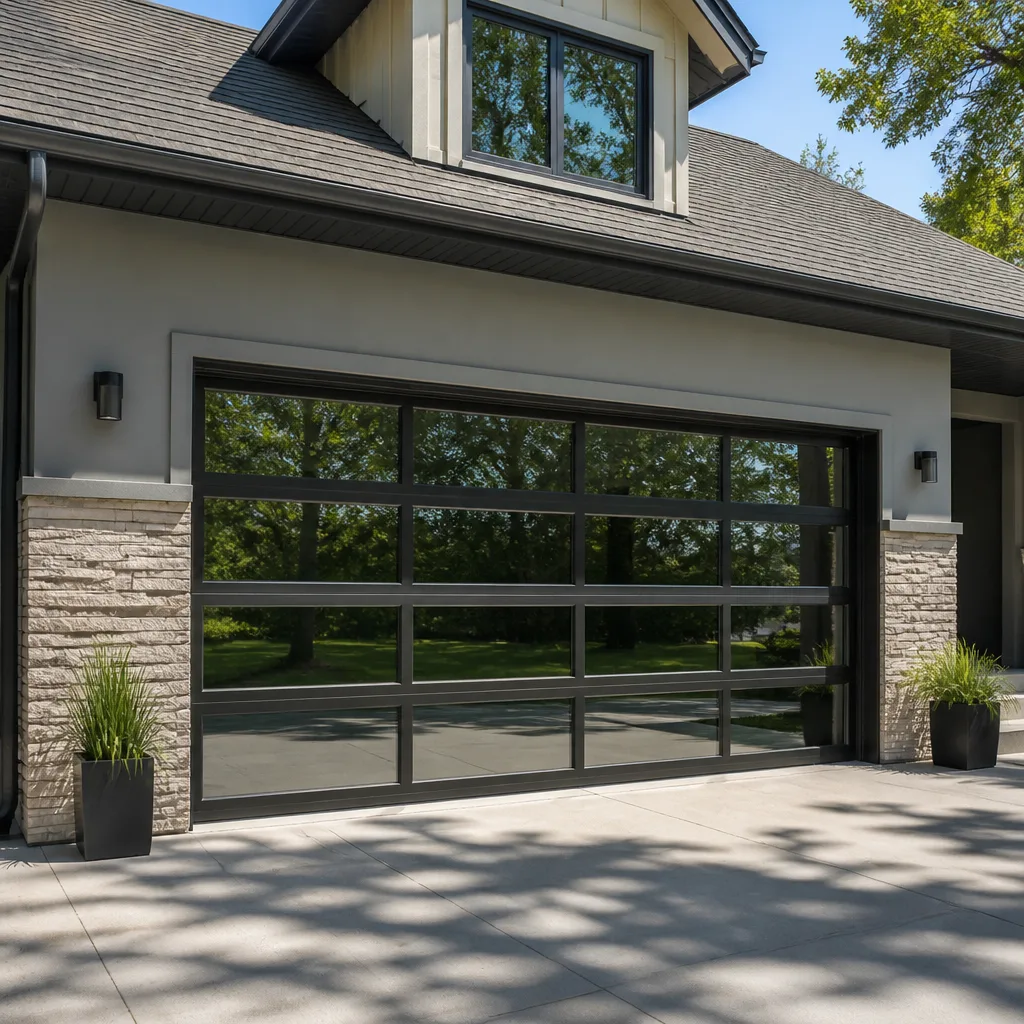 Full-view glass
 LiftMaster openers
 Chamberlain openers
Full 25-point door and opener safety check with every visit - springs, cables, rollers, tracks, and your LiftMaster or Chamberlain opener included
You get a price before we start. It does not change when the pro arrives.
Get your free estimateGarage Door Permits, Codes & Inspections in Port Saint Lucie, FL: What You Need to Know
Most homeowners in Port Saint Lucie treat a garage door replacement like swapping out a refrigerator: order it, install it, done. That assumption is the problem. A garage door is a structural wind-load component in Florida, and the permit process exists precisely because of that. Skip it and the door may work fine for years, then become the reason an insurer questions a storm claim at exactly the moment you need coverage most. This guide walks through which projects need a permit, what wind-load compliance actually means under the Florida Building Code, how the City of Port Saint Lucie Building & Code Compliance department handles the process, and what paperwork to keep afterward.
Quick Answer
In Port Saint Lucie, replacing a garage door or installing a new one generally requires a building permit because the door is rated for wind load under the Florida Building Code. Straight repairs, such as replacing a spring, cable, roller or hinge, and swapping an opener on an existing door usually don’t. Always confirm with the City of Port Saint Lucie Building & Code Compliance department before you start, because the answer depends on the specific scope of your job.
Styles & brands we work with
- Raised-panel steel
- Carriage house
- Modern flush
- Full-view glass
- LiftMaster openers
- Chamberlain openers
Table of Contents
- Which Garage Door Projects Need a Permit in Port Saint Lucie?
- What Wind-Load Compliance Actually Means in St. Lucie County
- How the Permit and Inspection Process Works, Step by Step
- How an Unpermitted Installation Affects Your Insurance
- What Documentation You Should Get After a Permitted Install
- Repair vs. Replacement: Where the Line Sits
- Choosing a Contractor Who Handles Permits Correctly
- Common Mistakes to Avoid
Which Garage Door Projects Need a Permit in Port Saint Lucie?
The dividing line comes down to whether you’re changing the door’s wind-load performance or the opening itself. Anything that alters the rated assembly, the structural opening, or the anchoring system usually triggers a permit. Anything that restores an existing, already-compliant door to working order usually doesn’t. Here’s how it breaks down in practice:
Typically requires a permit
- Full replacement of a garage door, even a like-for-like swap, because the new door carries its own wind-load rating and product approval that must match the opening.
- Installing a door in a new opening or converting a carport to an enclosed garage.
- Changing the door size, which affects the header, jambs and anchoring.
- Structural reinforcement added to meet wind-load requirements, such as new brackets or a different track anchoring method.
Typically exempt
- Replacing springs, cables, drums, rollers, hinges or bearings on a door that’s already installed and permitted.
- Replacing or repairing an opener on an existing door.
- Routine adjustments, lubrication and balancing.
- Replacing a single damaged panel with an identical rated panel, though it’s worth a call to confirm.
Those categories are guidelines, not rulings. Local interpretation can shift depending on the scope and how the door is anchored, so the safe move is to call the Building & Code Compliance department with your address and the exact work proposed. It’s a five-minute conversation that can save you a headache later. When you book garage door repair, the scope should be spelled out before anyone touches the door so everyone knows whether a permit is in play.
What Wind-Load Compliance Actually Means in St. Lucie County
“Wind-load compliance” is thrown around loosely, so here’s the plain-English version. A garage door in Florida must be rated to resist a specific design pressure, expressed in pounds per square foot (psf), both positive (wind pushing in) and negative (suction pulling out). That rating depends on the door’s size, the building’s exposure category, and where in the structure the opening sits. The rating comes from the manufacturer, backed by a product approval, and the installation must match the approved method exactly: the right anchoring, the right number of fasteners, the right spacing.
Under the Florida Building Code, the current cycle is the 8th Edition (2023). The code doesn’t just regulate the door; it regulates the assembly and how it’s attached to the framed opening. A door rated for 130 psf installed with too few anchors doesn’t perform like a 130 psf door. That’s why the permit review looks at the product approval numbers and the installation detail on the drawings, not just the door on the truck.
What this means for you as a homeowner
- Your contract should reference the specific door model and its product approval, not just “a new garage door.”
- The installer’s anchoring method should match the manufacturer’s approved instructions for your opening size.
- The inspection verifies what was installed, not just that a door is present and opening.
- Brands like Clopay, Amarr and Wayne Dalton all publish product approvals and installation details, which makes the paperwork traceable.
This is the part most homeowners never see. The rating is real, but only if the installation follows the approved method. That’s also why we lean on brand-specific knowledge when we’re on a job: a door from a major manufacturer comes with documented approvals, and the install has to match them line by line. If you’re weighing a full garage door installation, sorting out the permit and the wind-load documentation before the order is placed is far easier than untangling it after the door is hanging.
How the Permit and Inspection Process Works, Step by Step
The permit process through the City of Port Saint Lucie Building & Code Compliance department follows a predictable sequence. Knowing the steps means you can spot a contractor who’s cutting corners before it costs you. Here’s the typical arc:
- Confirm the scope and the code path. Call the Building & Code Compliance department with your address and the proposed work. Ask whether a permit is required and what the submittal needs to include.
- Submit the permit application with supporting documents. That means the door’s product approval (NOA or equivalent documentation), the manufacturer’s installation instructions, and drawings showing the opening and anchoring method. A licensed contractor usually handles this for you.
- Pay the permit fee. The fee is set by the jurisdiction and varies with the job. Confirm the amount at the counter or on the portal before you authorize anyone to pull it.
- Wait for plan review. The reviewer checks that the product approval matches the proposed door and that the installation method is consistent with it.
- Get the permit issued. Work can’t start before this. If someone offers to “start now and pull the permit Monday,” that’s a red flag.
- Complete the installation to the approved detail. Anchoring, spacing, header connection: all of it needs to follow the drawings.
- Call for the inspection. The inspector verifies the installed door, labeling, and anchoring against the permit.
- Get the final inspection and close the permit. A closed permit with a passed final is what your insurer wants to see.
Keep copies of every step. The permit number, the passed inspection record, and the product approval should end up in the same folder as your deed and insurance policy. In our experience, homeowners rarely have trouble getting the inspection scheduled; the snags almost always come from incomplete submittals at step two.
How an Unpermitted Installation Affects Your Insurance
Here’s the part that surprises people. Your homeowner’s policy is priced and underwritten assuming your home was built and modified according to code. A garage door isn’t a cosmetic feature in that calculation; it’s one of the largest wind-load openings on the structure. When a wind event causes damage and the adjuster finds a replaced door with no permit and no documented product approval, the claim can be questioned, delayed, or denied on the basis that the opening’s compliance can’t be verified.
It doesn’t take a hurricane. St. Lucie County sees strong summer storms, and a garage door that wasn’t anchored to the approved standard can fail in gusts that a compliant door would have handled. The damage claim then turns on a question the homeowner can’t answer: was this installed to code? Without a permit trail, there’s no proof either way.
What insurers tend to look at after a wind event
- Whether the damaged component had a permit at the time of installation or modification.
- Whether a final inspection was passed and recorded.
- Whether the installed product matches the approved one on the permit.
- Whether the installation method matches the manufacturer’s approved detail.
- Whether the homeowner’s records show who did the work and when.
None of that requires a specialist to decode. It requires a paper trail. If a door fails and the trail is missing, you may be arguing over coverage while a contractor is quoting you a new door out of pocket. The permit fee is a small fraction of what an unpermitted door can cost you in a wind claim scenario, and the inspection is the proof.
What Documentation You Should Get After a Permitted Install
Once the inspector passes the final, do not file the paperwork in a drawer and forget it. A wind event may be years off, but the adjuster handling that claim will want to see specific documents, and pulling them together from scratch under pressure is miserable. Here’s what should end up in your permanent home records:
- The issued permit number, plus a copy of the permit application as submitted.
- The passed final inspection record, which is the proof the installation was verified.
- The door’s product approval documentation, showing the design pressure rating for your specific model and size.
- The manufacturer’s installation instructions that the work was completed against.
- The contractor’s invoice with the model number, date, and scope of work in writing.
- Photographs of the installed door, the anchorage, and any visible labeling, if the contractor provided them.
Store digital copies in cloud storage and a physical copy in a home file. If you ever sell, that documentation becomes a selling point: a buyer’s inspector will ask about the garage door, and the packet answers the question in a minute. The same records are what an insurer will ask for when a storm claim is being evaluated, and they often make the difference between a simple payout and a long back-and-forth. Whether you need garage door opener repair or a brand-new opening, get the paperwork and keep it.
Repair vs. Replacement: Where the Line Sits
Because the permit question hangs on whether you’re altering the rated assembly, the repair-versus-replacement distinction matters more in Florida than most homeowners expect. Here’s how we think about it:
- Spring, cable, roller or hinge failure: Repair, almost always no permit. The door stays in place and the rated assembly is unchanged.
- Opener failure or opener replacement: Repair, typically no permit, since the opener isn’t the wind-load component.
- Single damaged panel swap: Usually repair, but confirm the replacement panel carries the same rating and that the local jurisdiction doesn’t treat it as a modification.
- Replacing the whole door, even the same size: Permit required. The new door carries a new product approval and new anchoring.
- Removing a door and closing the opening: Permit required, and it’s a structural change.
A quick word on springs and cables, because they come up in almost every garage door conversation. Torsion springs and the cables under tension are the most dangerous parts of the system, and a mistake can cause serious injury. We don’t recommend opening the door of a spring assembly to anyone without training and the right tools, and that’s true whether or not a permit applies. Call a trained professional. That caution doesn’t change the permit rules, but it’s the more important safety point.
When the answer is “repair,” the job should be quick and documented with a written description of what was fixed and why. When it’s “replace,” slow down and treat it like the structural change it is. If a door from Clopay, Amarr or Wayne Dalton is in the plan, the product approval is readily available, which makes the permit path straightforward. If you’re not sure which side of the line your job falls on, call the city first; that’s always cheaper than guessing.
Choosing a Contractor Who Handles Permits Correctly
The permit process only works if the contractor you hire treats it as routine rather than a nuisance. A few questions will tell you a lot before you sign anything.
- “Will you pull the permit, and who pays the fee?” On a replacement, the licensed contractor should typically pull the permit in their name so the inspection record is tied to the work. Confirm whether the fee is in the quote or added separately.
- “Will you provide the product approval before we order?” You want to see the document up front, not after the door is hanging in the opening.
- “Will you give me the passed inspection record?” A contractor who understands the process will answer immediately. One who hedges is betting you won’t ask again.
- “Which brands do you work with?” A garage door specialist should be fluent in the major brands you actually own, and able to match the approval documentation to the model. We work with LiftMaster, Chamberlain, Genie, Clopay, Amarr, Wayne Dalton, Craftsman and Raynor, and the paperwork varies by brand.
- “What’s the written scope?” The estimate should name the model, the anchoring method, and who handles the permit. If it doesn’t, ask for it in writing.
For repair work, the questions are simpler: what’s the diagnosis, what parts are being used, and what’s the price in writing before work starts. We quote the price and get it agreed before we touch a door, so there’s no surprise on the invoice. Our technicians have up to 10 years of experience, and the local pro we connect you with is licensed and insured as their state requires. We handle garage door opener repair, garage door repair, garage door installation and spring work, and we’re familiar with the eight brands that show up on most drives in Port Saint Lucie. For the full range of what we do, start at Port Saint Lucie Garage Door Repair Co.
Common Mistakes to Avoid
- Assuming a like-for-like swap doesn’t need a permit. In Florida, a replacement door carries a new product approval and new anchoring, so the permit is usually required even if the size and style match. Skipping it is exactly how a wind claim gets questioned.
- Ordering the door before the permit. If the product approval doesn’t match the proposed door, the plan review will kick it back. Ordering first can leave you with a non-returnable door while the paperwork gets sorted.
- Letting the contractor “start today and pull the permit later.” Work can’t legally begin before the permit is issued. If a crew offers to install now and square the paperwork later, walk away from that arrangement.
- Filing the passed inspection somewhere you can’t find it. A few years from now, an adjuster or a buyer’s inspector will want the record. Put it with your deed and insurance documents the same day you receive it.
- Hiring a general handyman for a replacement. Replacement work involves wind-load anchoring, product approvals and an inspection, and a handyman without a license to pull the permit can’t deliver any of that on the record.
- Ignoring a damaged door through storm season. A door that’s been hit or is sagging on one side may no longer perform to its rating. A repair often solves it; a replacement may be the safer path, and that call should be made before a storm rather than after one.
- Assuming the inspection “just passes.” It passes when the installed product and anchoring match the approved detail. The inspector is checking the assembly, not just whether the door opens and closes.
See the difference
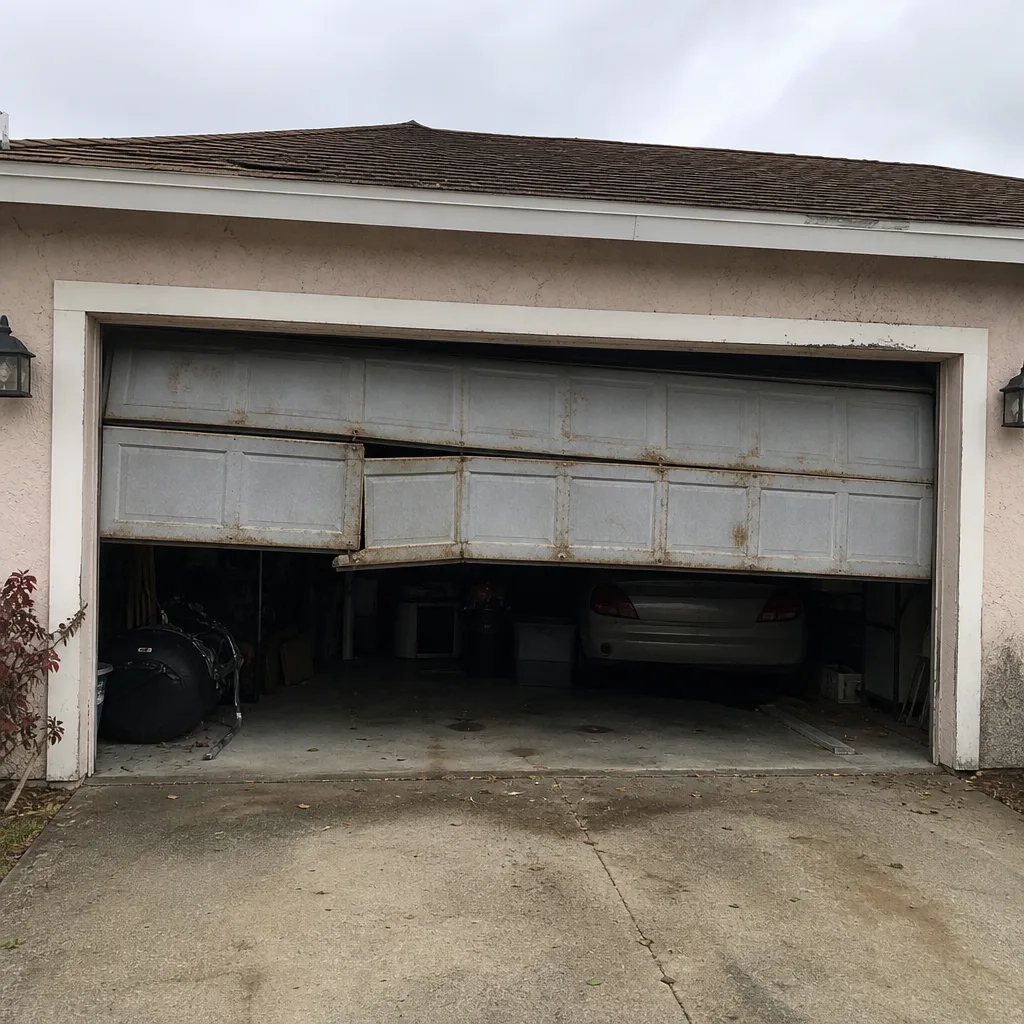 Before
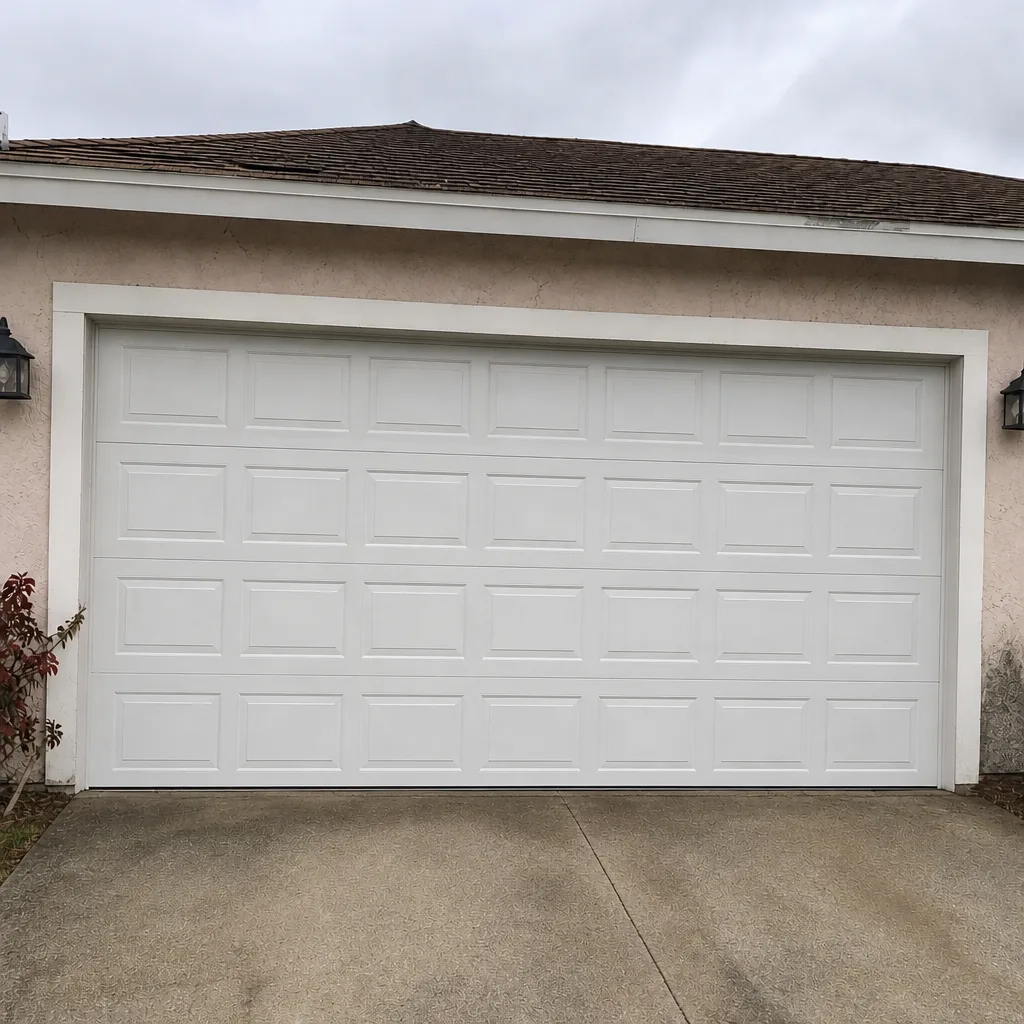 After
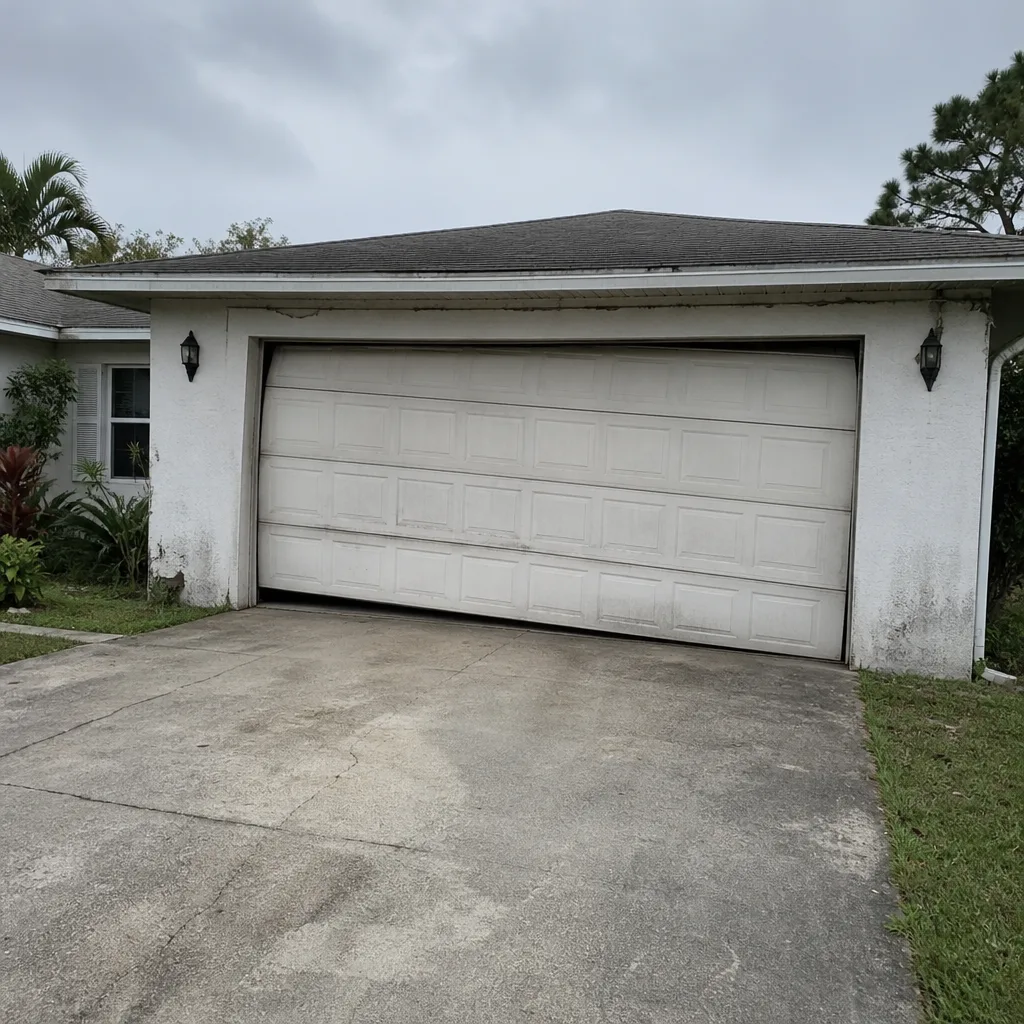 Before
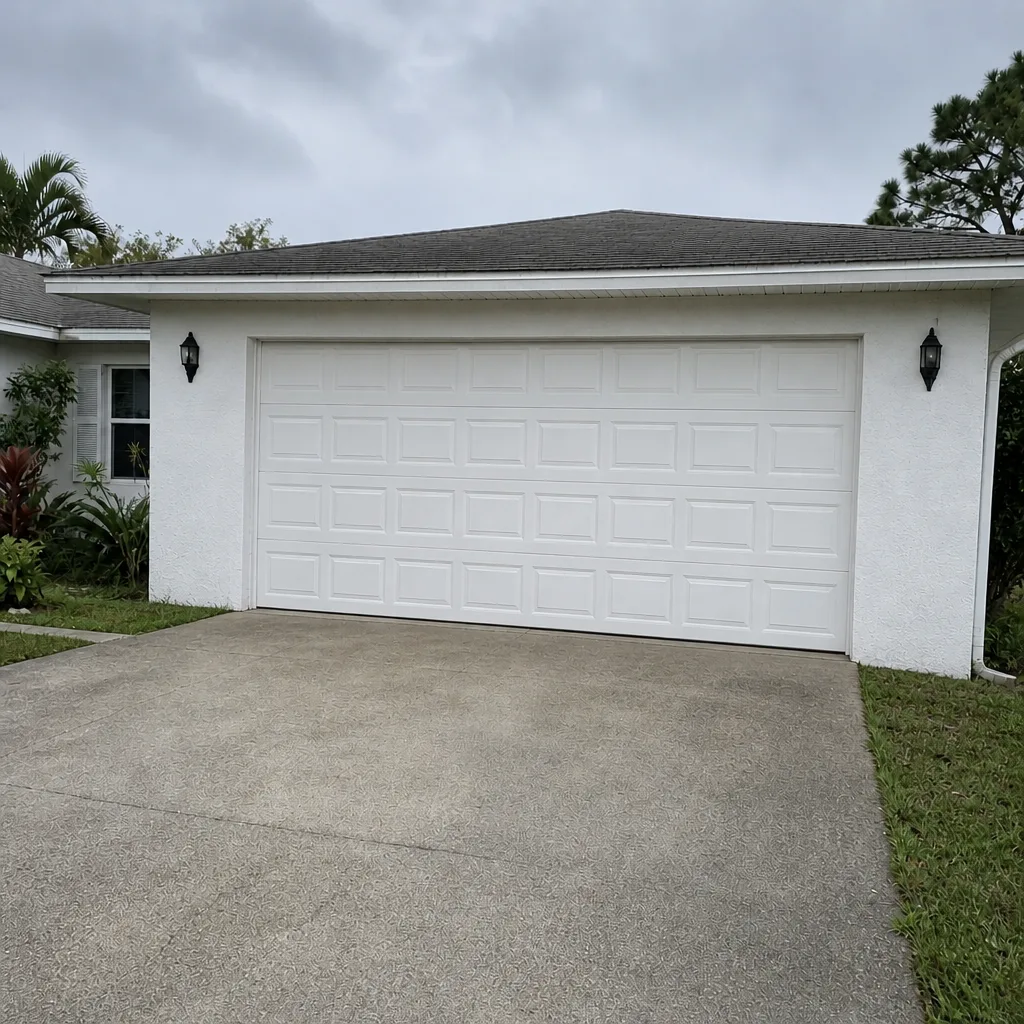 After
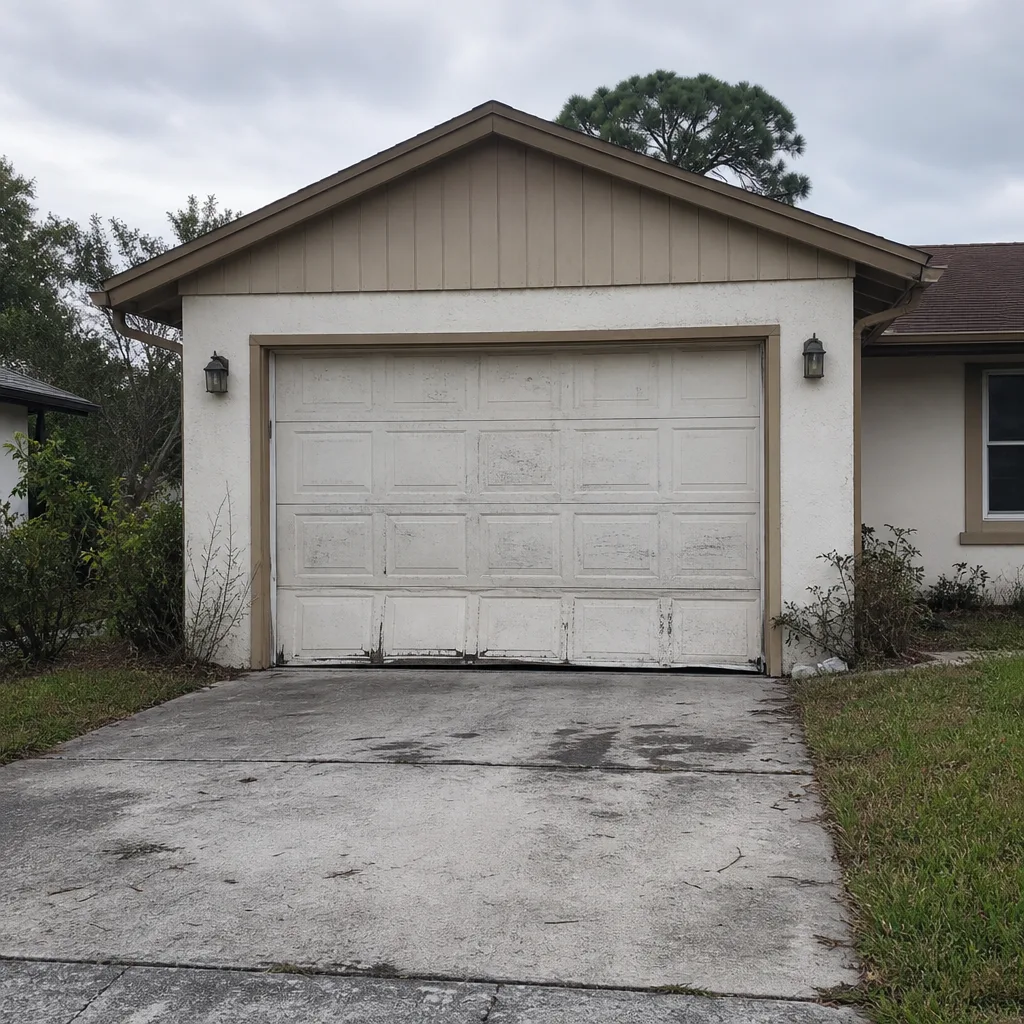 Before
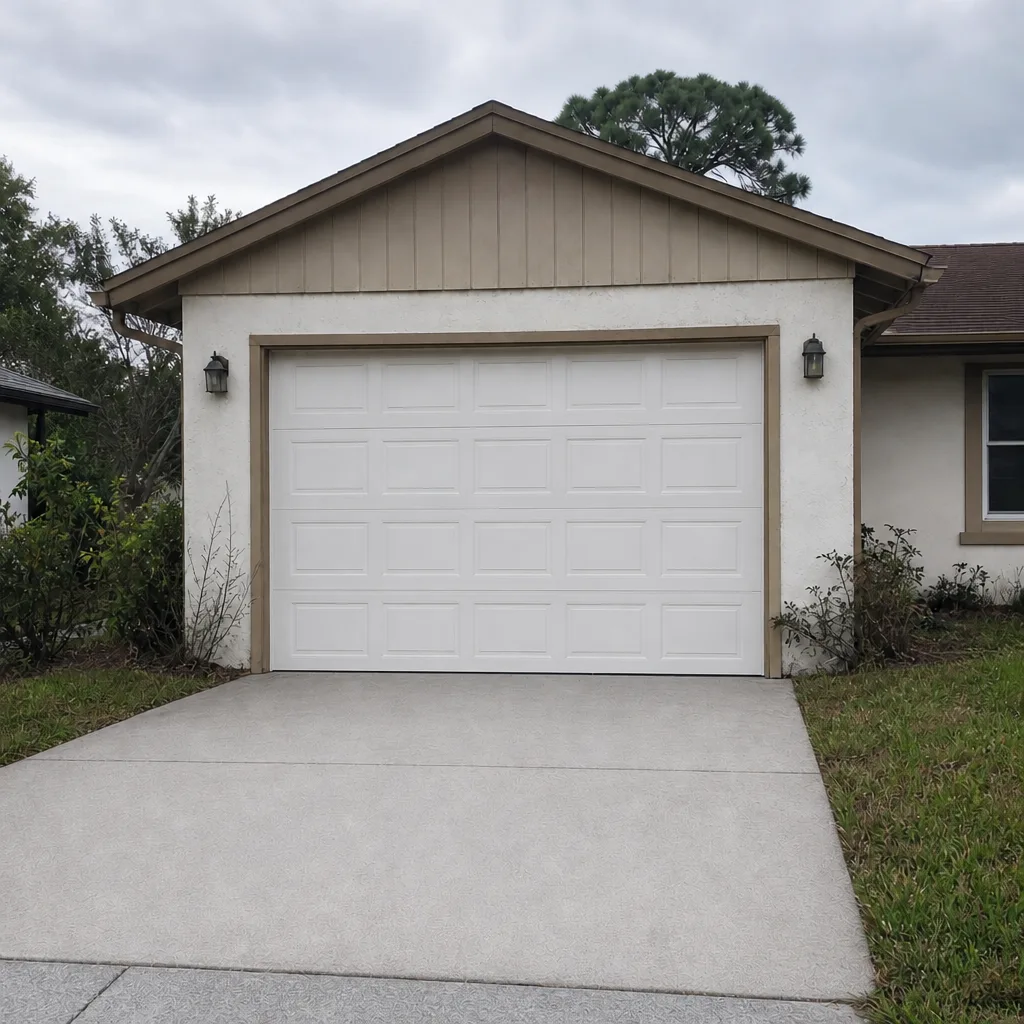 After
When to Call a Professional
Some of this you can handle yourself: calling the city, filing the paperwork, keeping records. Some of it you shouldn’t. Call a professional when a torsion spring or cable has failed or looks stressed; when a door has come off its track or is sagging; when the opener is running but the door isn’t; when a door has been hit or damaged and you’re not sure if the rated assembly is intact; and any time you’re replacing a door or opening. Those jobs involve equipment under tension, wind-load anchoring and inspection documentation, and getting them right the first time is the entire point. Port Saint Lucie Garage Door Repair Co offers free estimates in Port Saint Lucie. Call (833) 932-4537 and we’ll walk through the scope and the permit question before anything is ordered.
Frequently Asked Questions
In most cases, yes. A garage door is a wind-load component in Florida, so a replacement usually requires a permit through the City of Port Saint Lucie Building & Code Compliance department, along with the door’s product approval and an inspection after install. Confirm the specific scope with the city before ordering. Call (833) 932-4537 for a free estimate and we’ll help you sort out what the job needs.
Usually not. The opener isn’t the wind-load component of the assembly, so swapping an opener on an existing door is generally treated as a repair. That said, if the door itself is being replaced at the same time, the permit applies to the door. When in doubt, one call to the Building & Code Compliance department settles it. Reach us at (833) 932-4537 for opener work and we’ll give you a written price before we start.
Wind-load compliance means the door is rated to a specific design pressure in pounds per square foot and was installed using the manufacturer’s approved anchoring method. You know it meets the standard when the door has documented product approval matching the installed model and a passed final inspection on record. The written estimate should name the model; the permit packet should carry the approval. Call (833) 932-4537 for a free estimate on a replacement door.
It can, or it can delay and question the claim. An unpermitted replacement leaves no way to verify the door’s wind-load compliance, and that’s exactly the issue an adjuster is looking at after a wind event. The permit and passed inspection are the proof. If your records are incomplete, call (833) 932-4537 and we’ll talk through what a current, documented install looks like.
It depends on the completeness of the submittal and the department’s current queue. A clean application with the product approval and installation detail moves faster than one that gets returned for missing documents, which is why the paperwork is worth getting right up front. The inspection itself happens after the install. For a scheduled replacement, call (833) 932-4537 for a free measure and it’s quoted in writing.
Keep the permit number, the passed final inspection record, the door’s product approval for your model and size, the manufacturer’s installation instructions, the invoice with the model named, and photos of the anchorage if you have them. Store digital and paper copies with your home records. These are the documents an insurer or a future buyer will ask for. To schedule the work, call (833) 932-4537 for a free estimate.
The Bottom Line
In Port Saint Lucie, the permit question comes down to one idea: does the work change the door’s wind-load rating or the opening it sits in? If yes, the permit, product approval and passed inspection are what protect you when a storm claim arrives. If no, repair work is simpler, but you still want the work described in writing and the invoice kept. The permit is a small, known cost. The alternative is an unverified door on the largest wind-load opening in your home. When a spring, cable or door issue comes up, or when you’re ready to replace, call (833) 932-4537 for a free estimate. We’ll spell out the scope, the price and the permit path before anyone starts.
Written by the team at Port Saint Lucie Garage Door Repair Co.